Unlike the beginning of 2022, at the beginning of 2023 we had plans to travel. An autumn visit to British Columbia (including Vancouver Island) was on the cards. Having renewed one of our passports in 2022, the other was due for renewal before we could book our Canadian holiday. Other trips planned included Sheffield, London, Isle of Arran and Porthmadog.

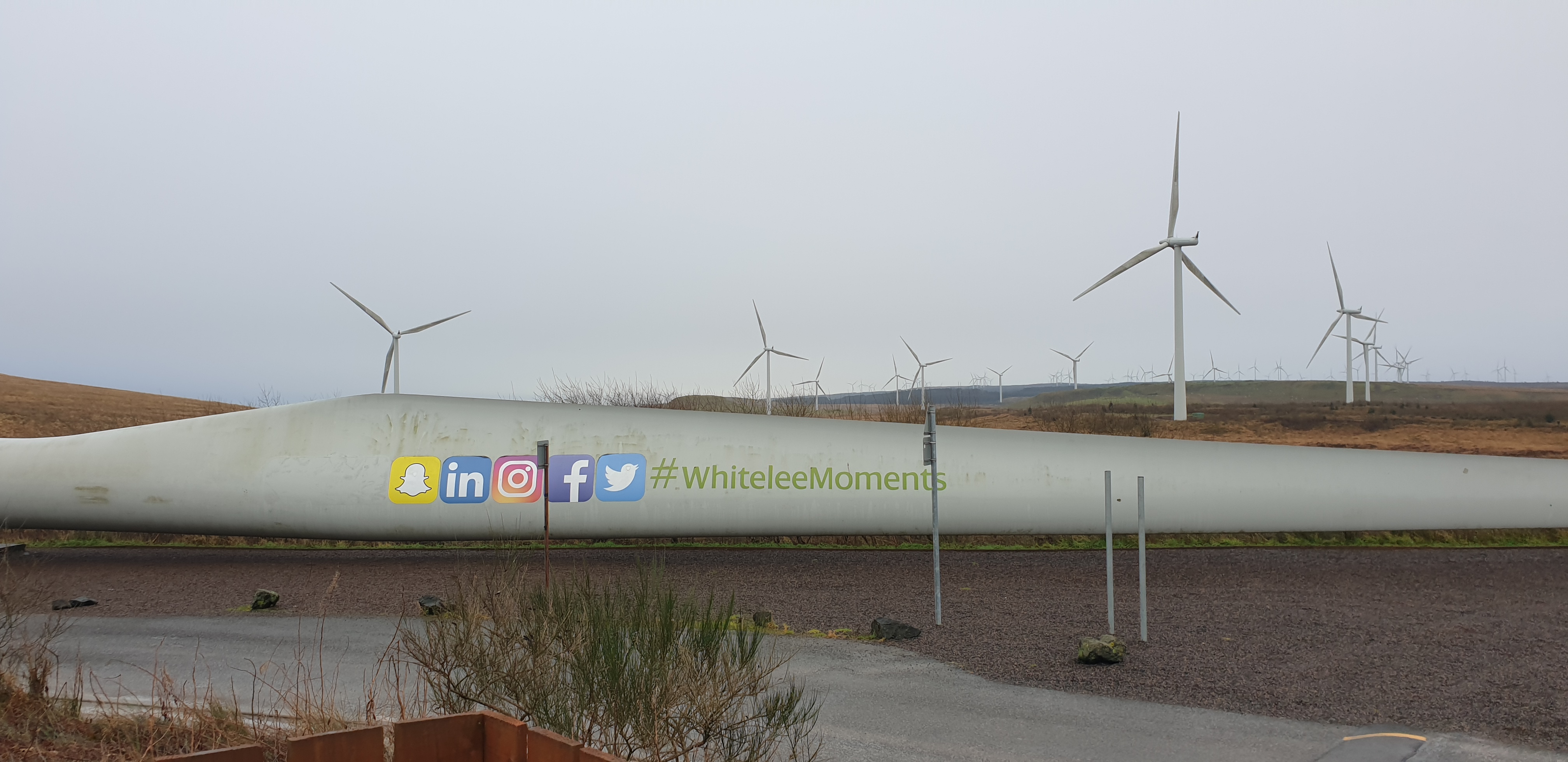
Isle of Arran from Whitelee Windfarm
2 January 2023
January 2023
At the beginning of January we decided to undertake the 8 mile Lochgoin Circuit at Whitelee Windfarm. During the month, the rhubarb started to emerge. In 2023 we decided not to cover, force, them.
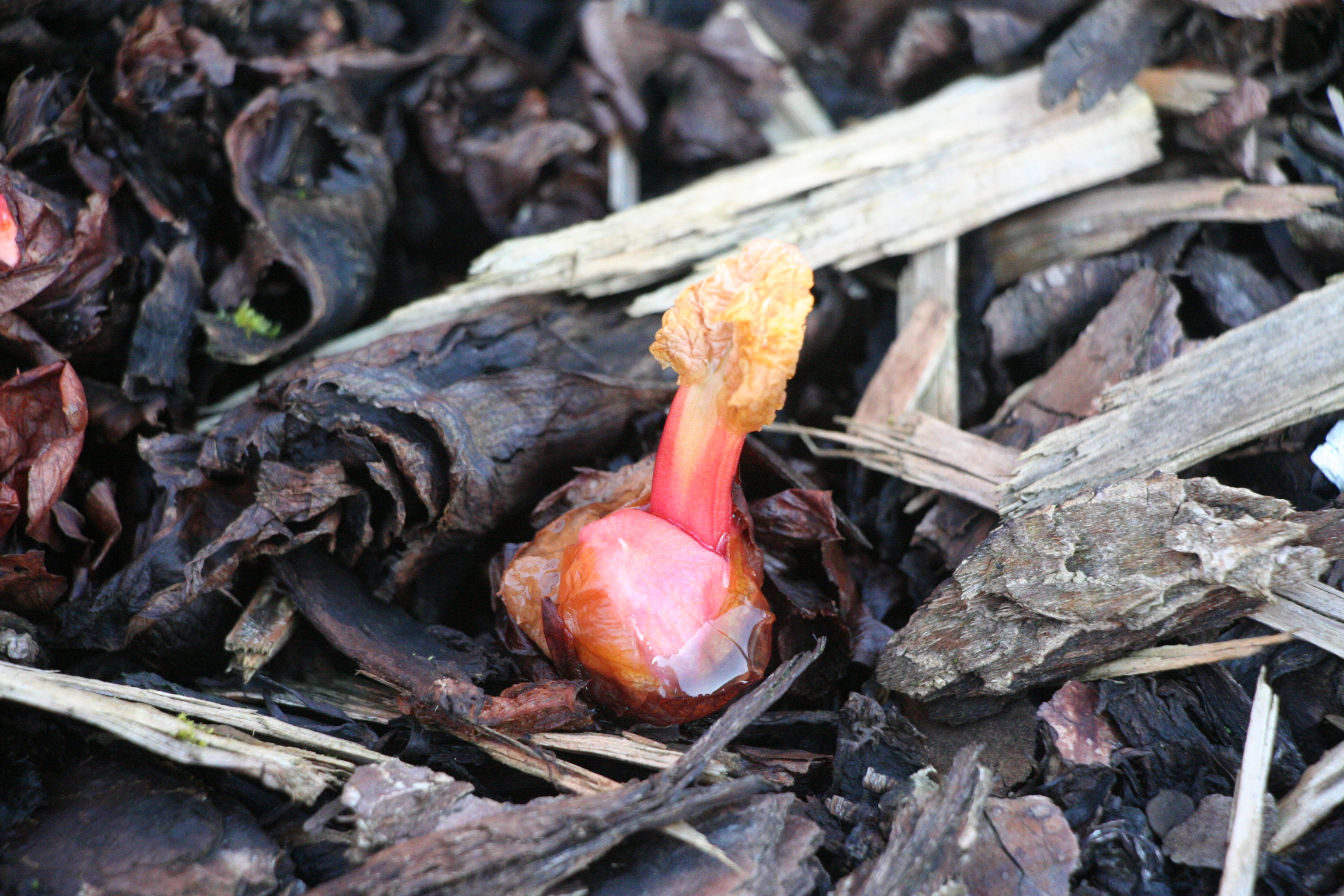
The first Rhubarb Sprout
5 January 2023
Later in the month, we undertook a day trip to the Isle of Arran, visiting the cemetery at Sannox, where there are family plots.
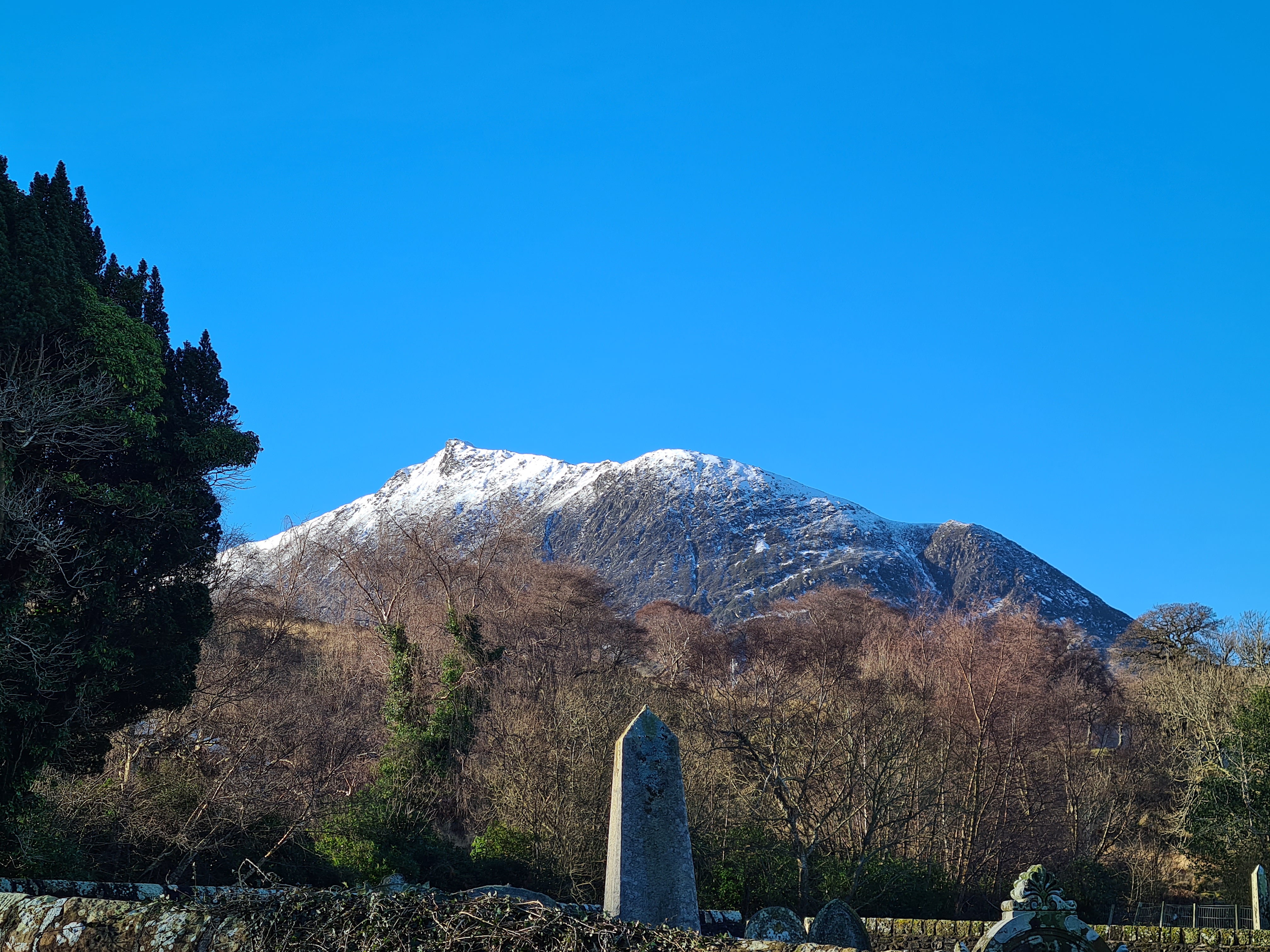
Suidhe Fhearghas from Sannox Cemetery
20 January 2023
Towards the end of the month, was the fourth concert in the Glasgow Bach Cantata Project. Held at St Margaret’s Newlands, it raised funds for the Glasgow City Mission.
More pictures from January 2023
- Whitelee Windfarm: Lochgoin Circuit – 2 January 2023
- Glasgow Bach Cantata Project Concert 4 – 15 January 2023
February 2023
February included long weekend trips to the Isle of Arran and Porthmadog

Lochranza Castle
11 February 2023
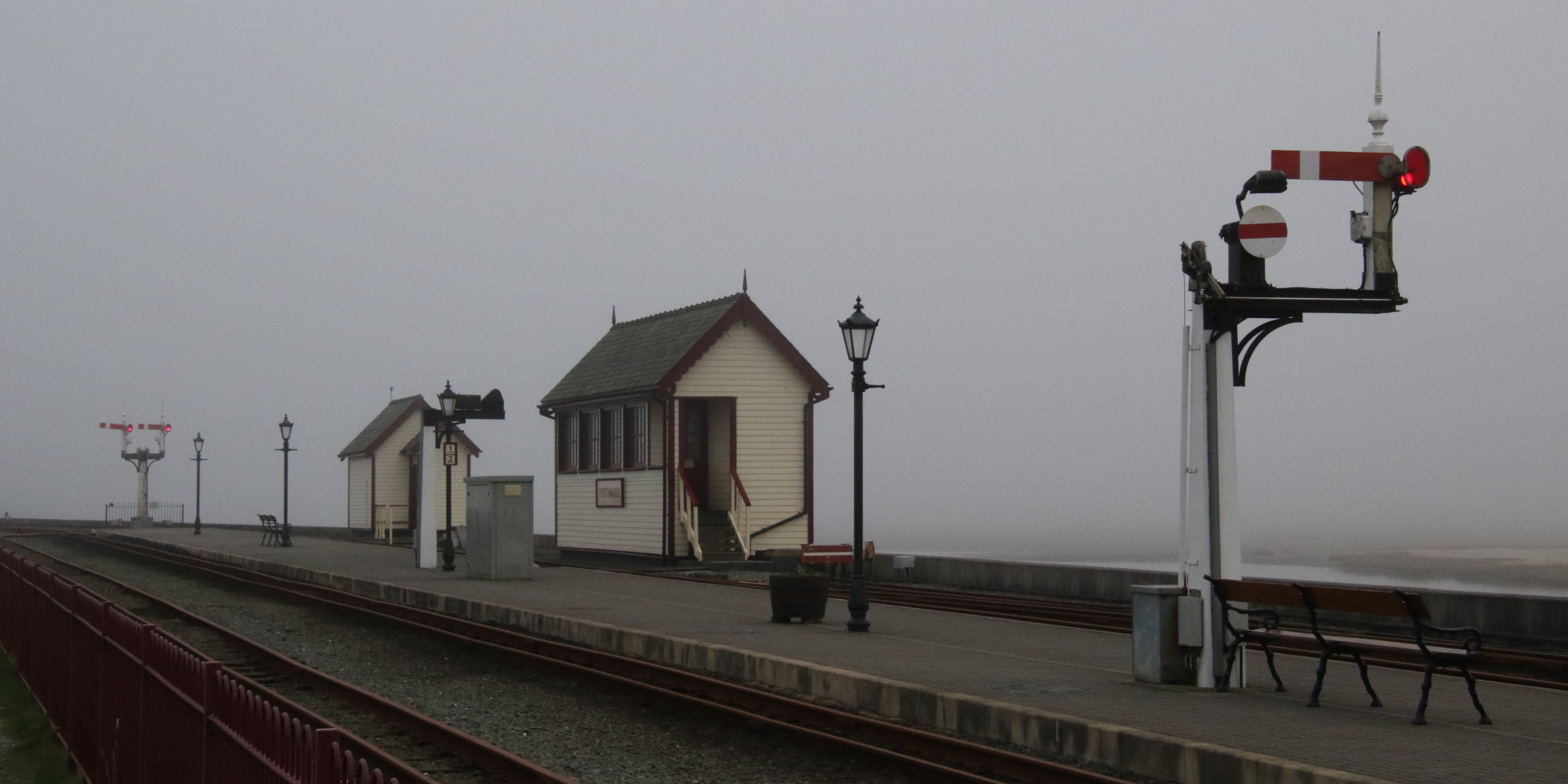
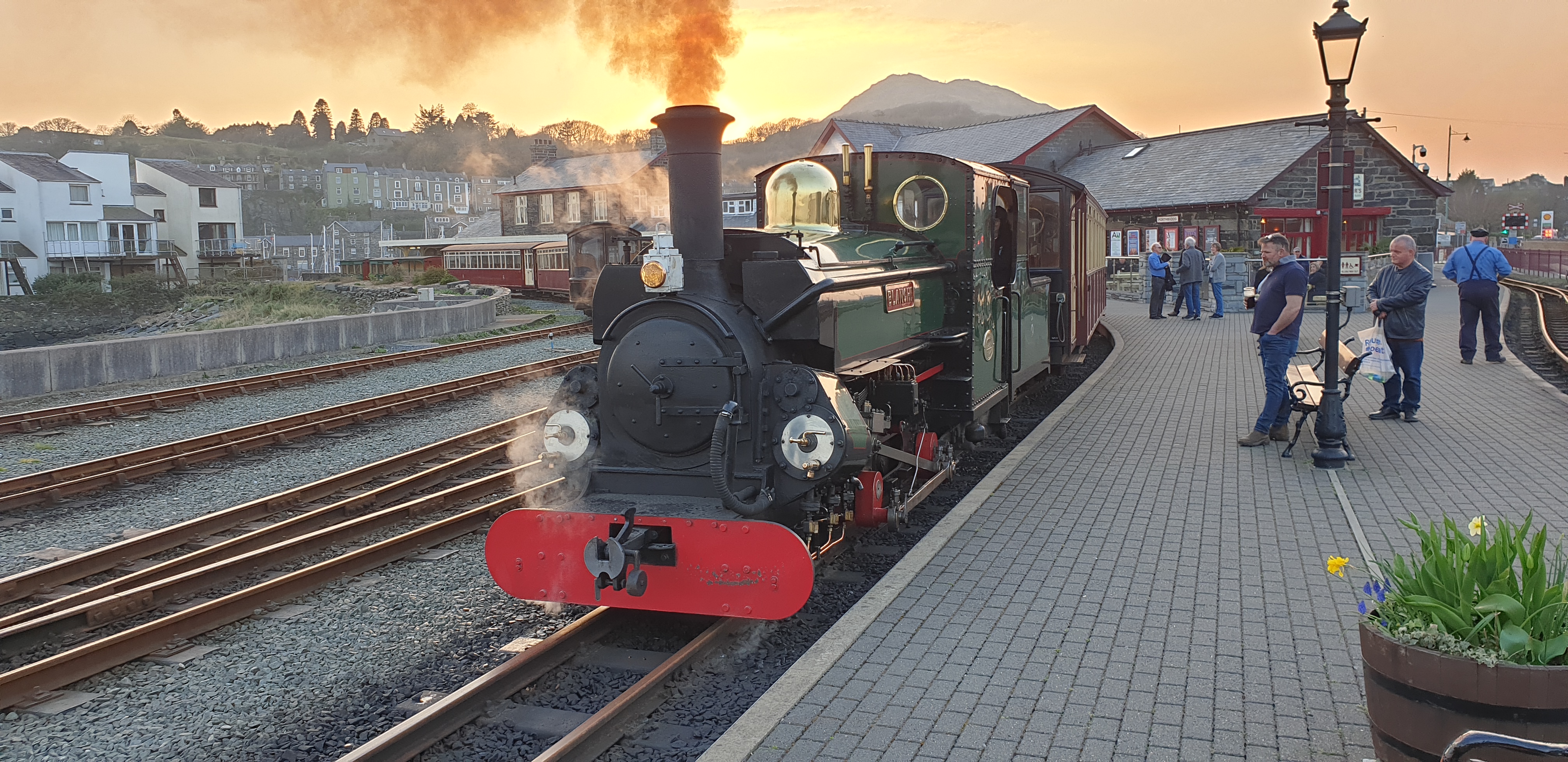
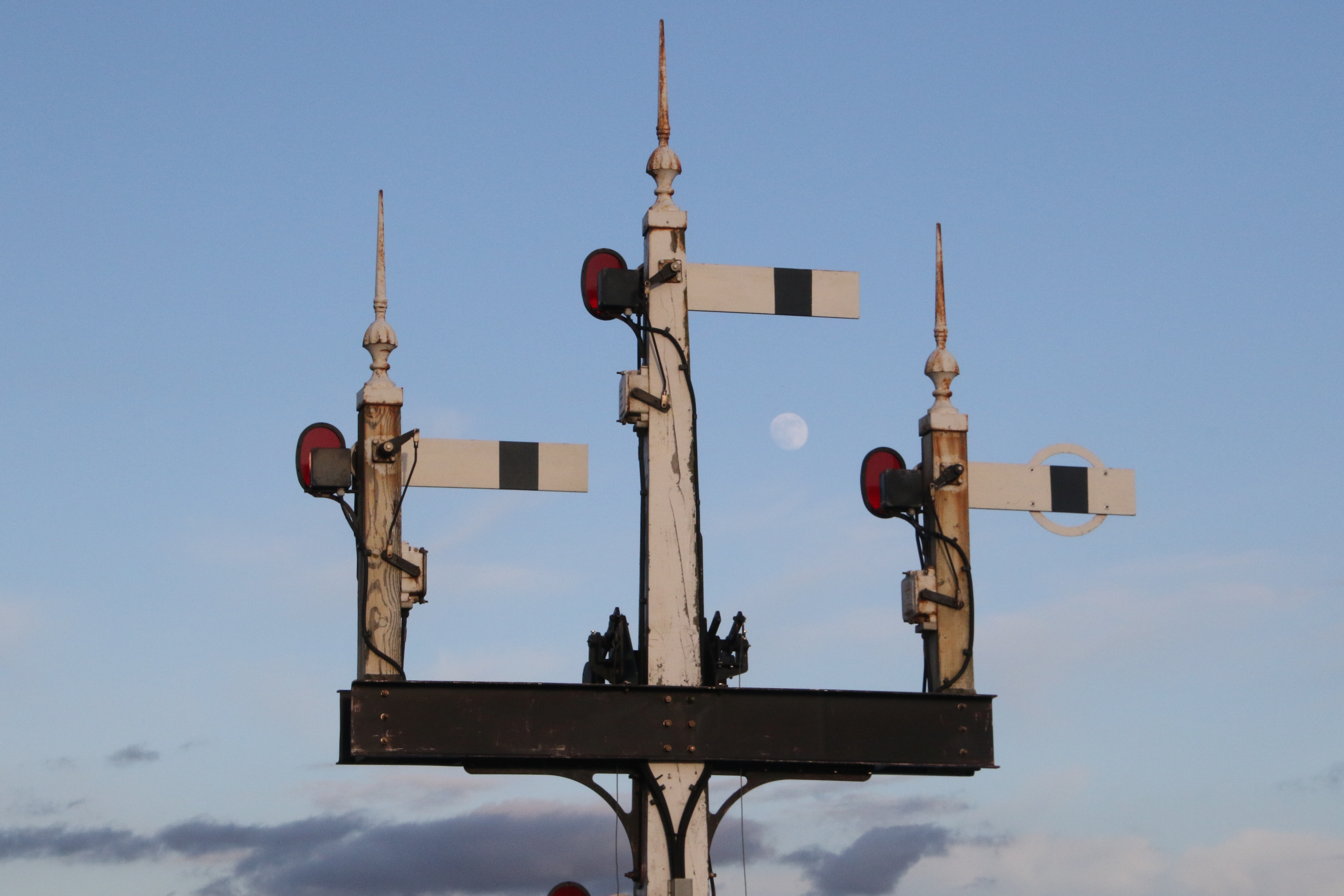
Foggy Porthmadog Harbour platform and signalbox
17 February 2023
More pictures from February 2023
March 2023
The fifth concert in the Glasgow Bach Cantata Project was held in March, and the second trip of the year to Porthmadog. The approach to Easter also meant the baking of Simnel Cakes.

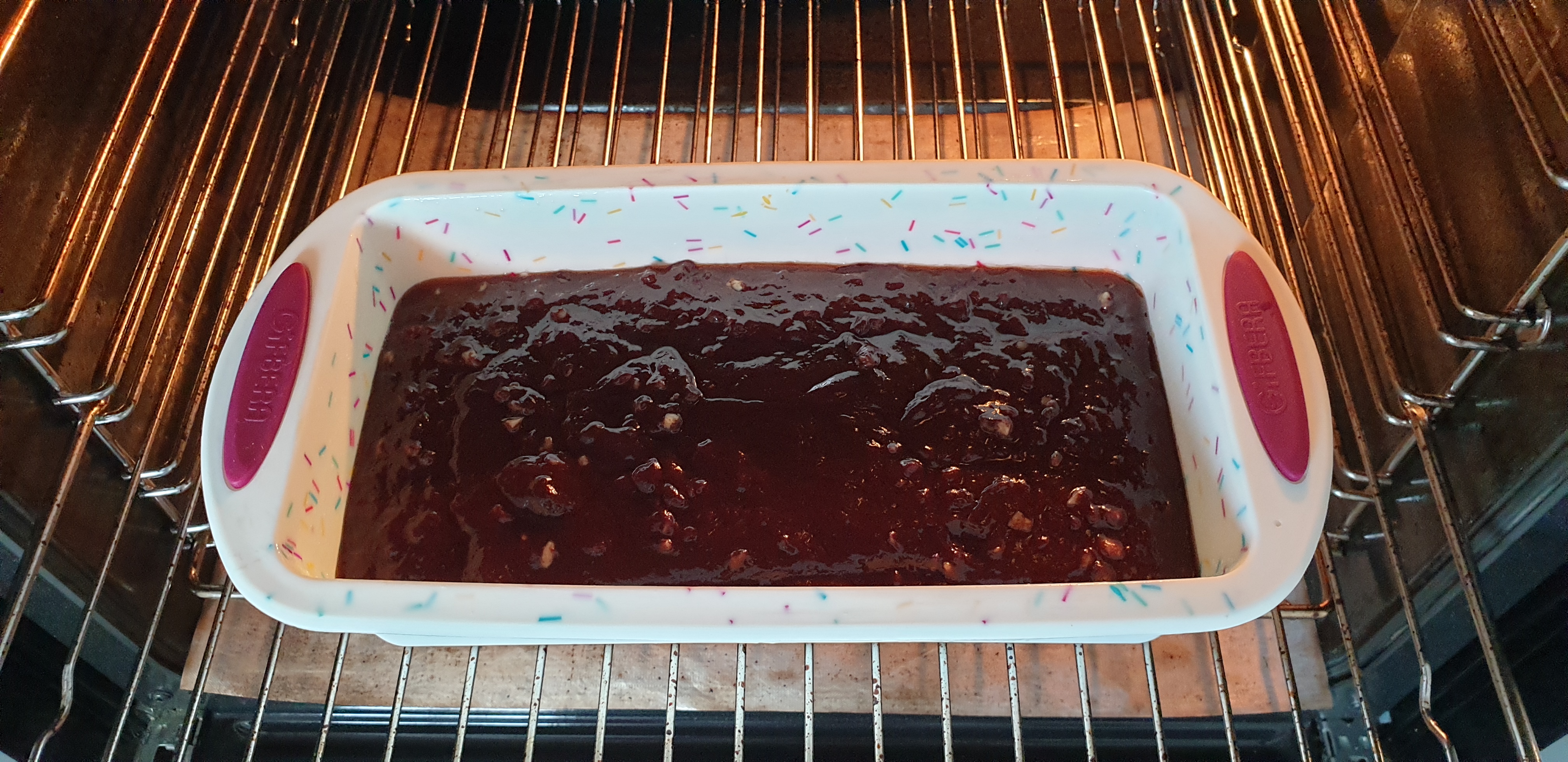
First Simnel Cake Mixture
4 March 2023
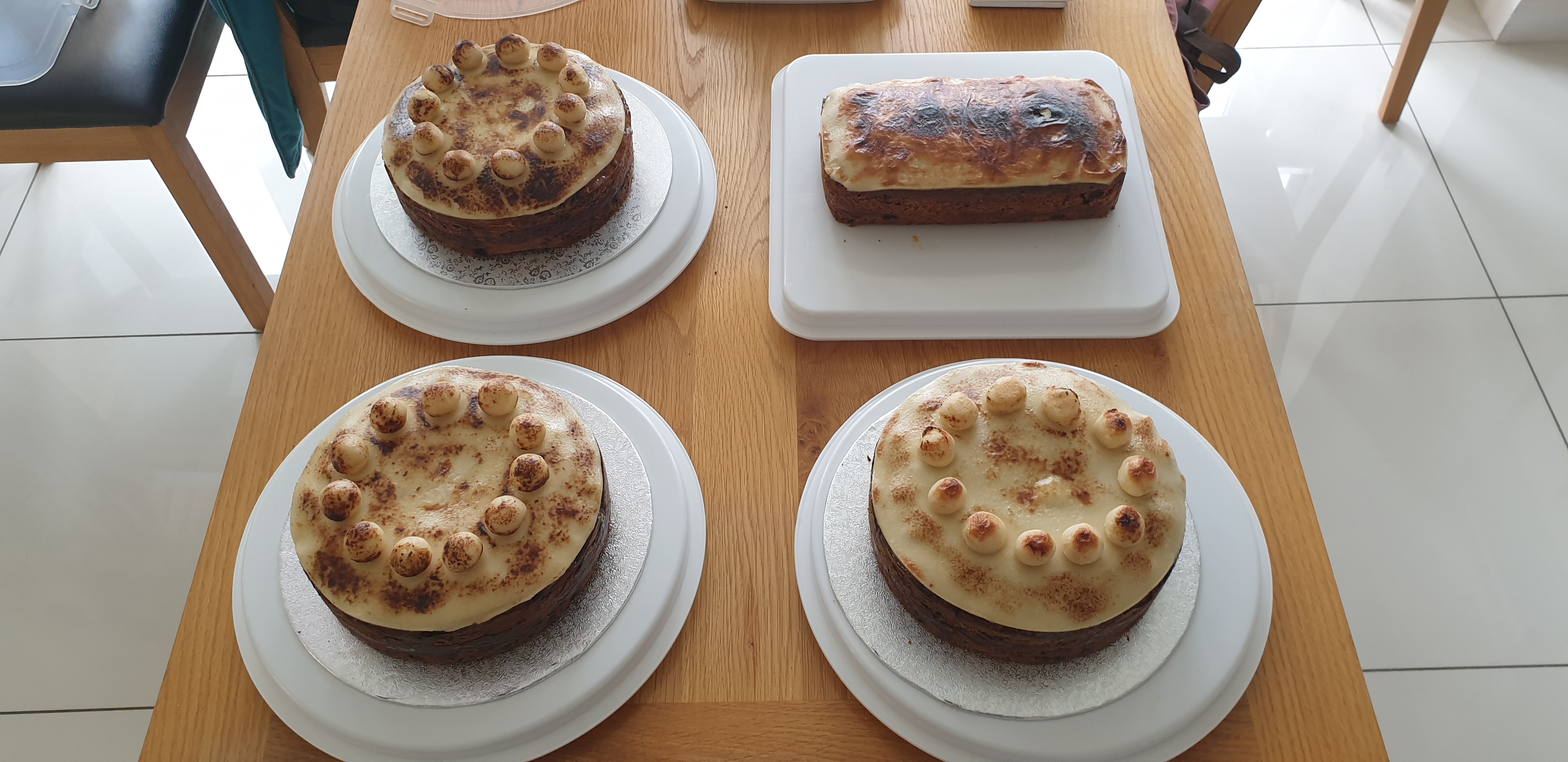
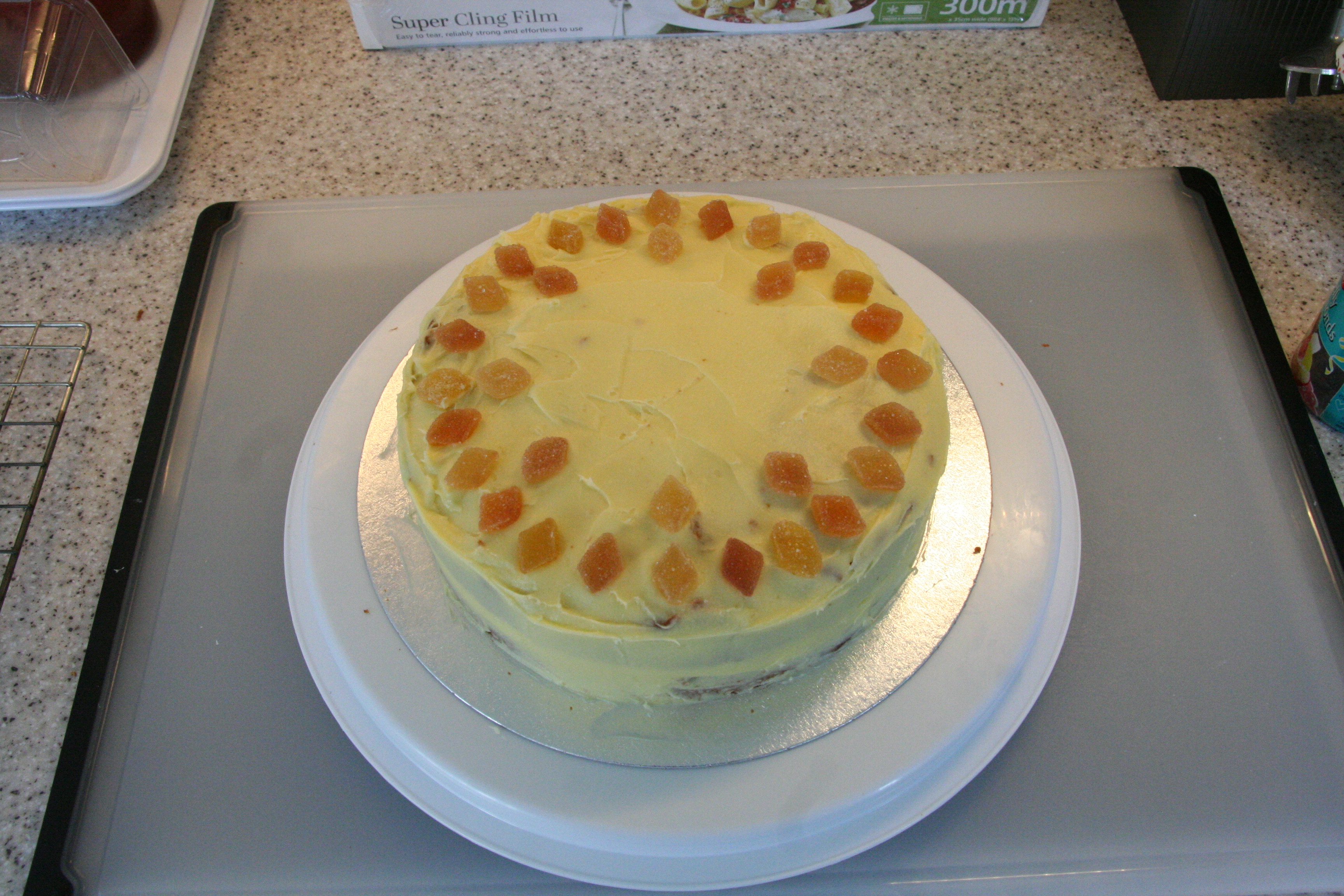
Four simnel cakes completed
19 March 2023
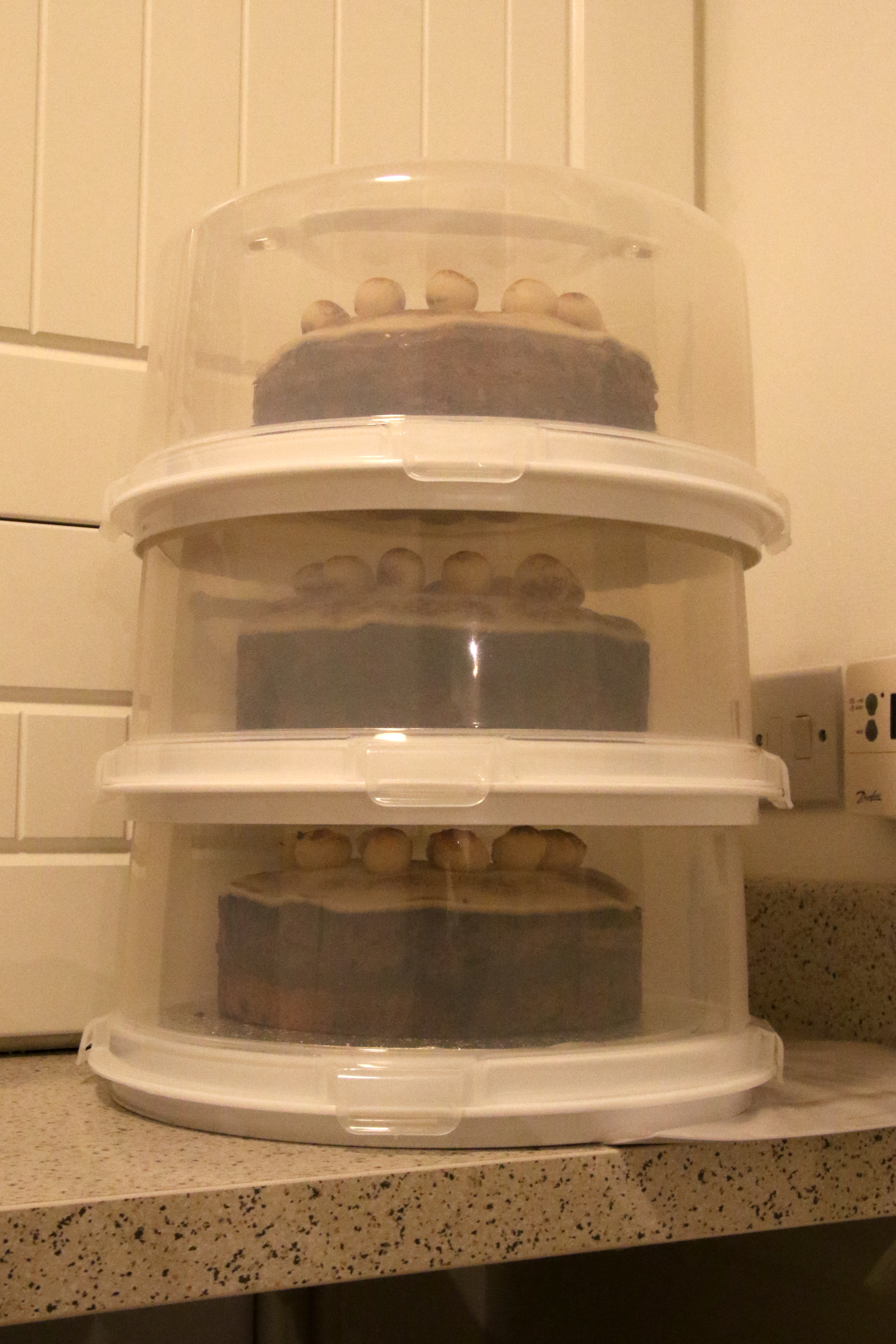
Three simnel cakes in cake boxes ready for delivery.
22 March 2023
More pictures from March 2023
April 2023
After Easter we visited Culzean Castle for the first time in many years. Later in the month was the sixth Bach Cantata Project concert. At the end of the month we visited London, which included meeting Hodge at Southwark Cathedral.

Oystercatchers in the Car Park at Hunterston B
20 April 2023
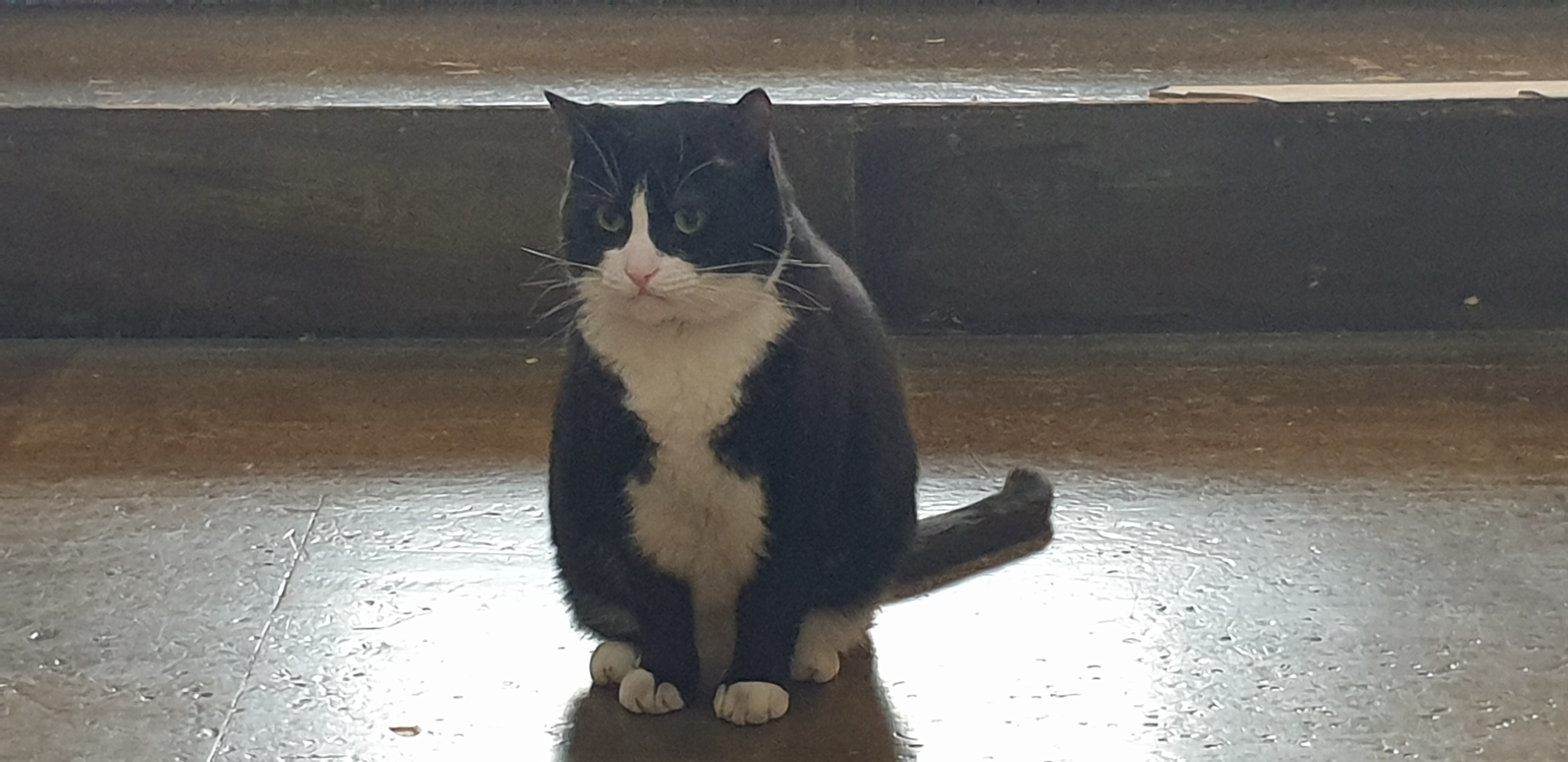
Hodge the Cat at Southwark Cathedral
30 April 2023
More pictures from April 2023
- Palm Sunday at St Mary’s – 2 April 2023
- Easter Vigil at St Mary’s – 9 April 2023
- Culzean Castle – 10 April 2023
- Glasgow Bach Cantata Project 6 – 23 April 2023
May 2023
The month started in London up The Shard, followed by a trip to Arran the following weekend.
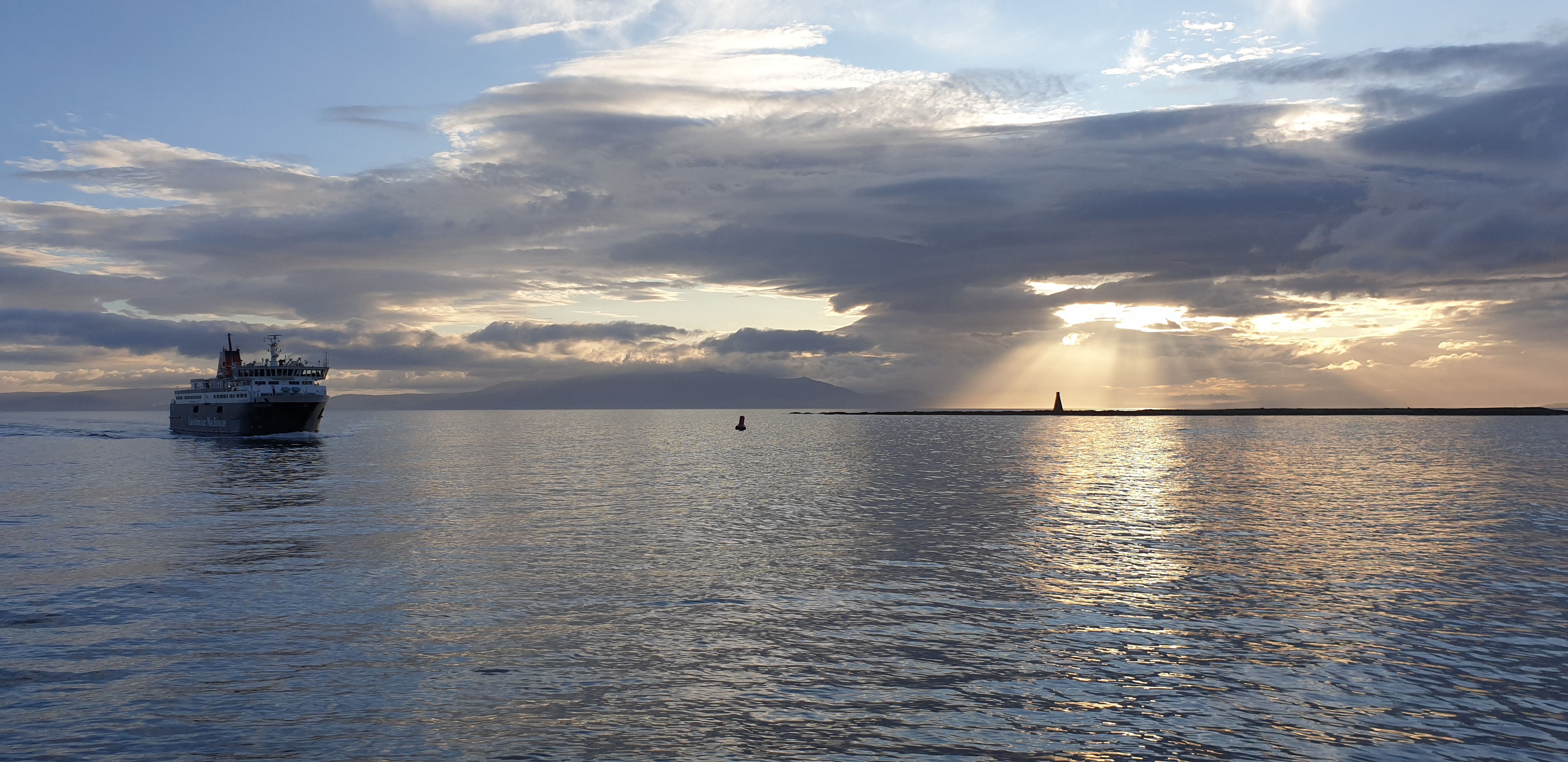
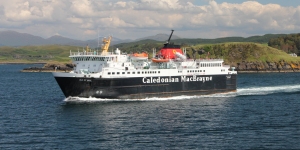
Sunset at Ardrossan at MV Caledonian Isles approaches
5 May 2023
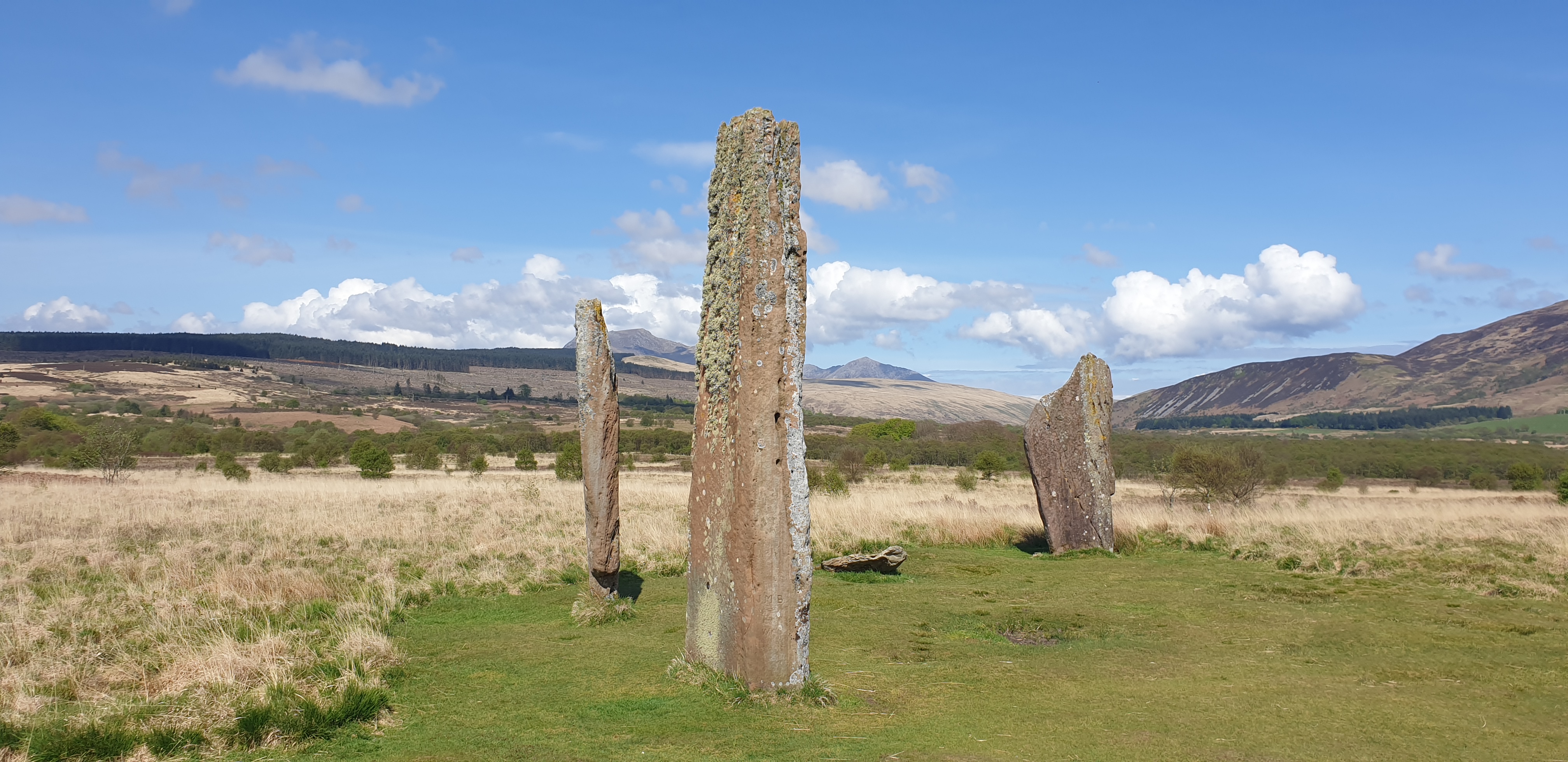
Machrie Stones on Arran
7 May 2023
More pictures from May 2023
June 2023
As with 2023 the weather was conducive for an evening walk at Whitelee Windfarm to see the sunset and get the full moon. Later in the month was another visit to the Ffestiniog Railway and the surrounding areas (including Beaumaris on Anglesey and the Llangollen Railway)

Strawberry Full Moon at Whitelee Windfarm
3 June 2023
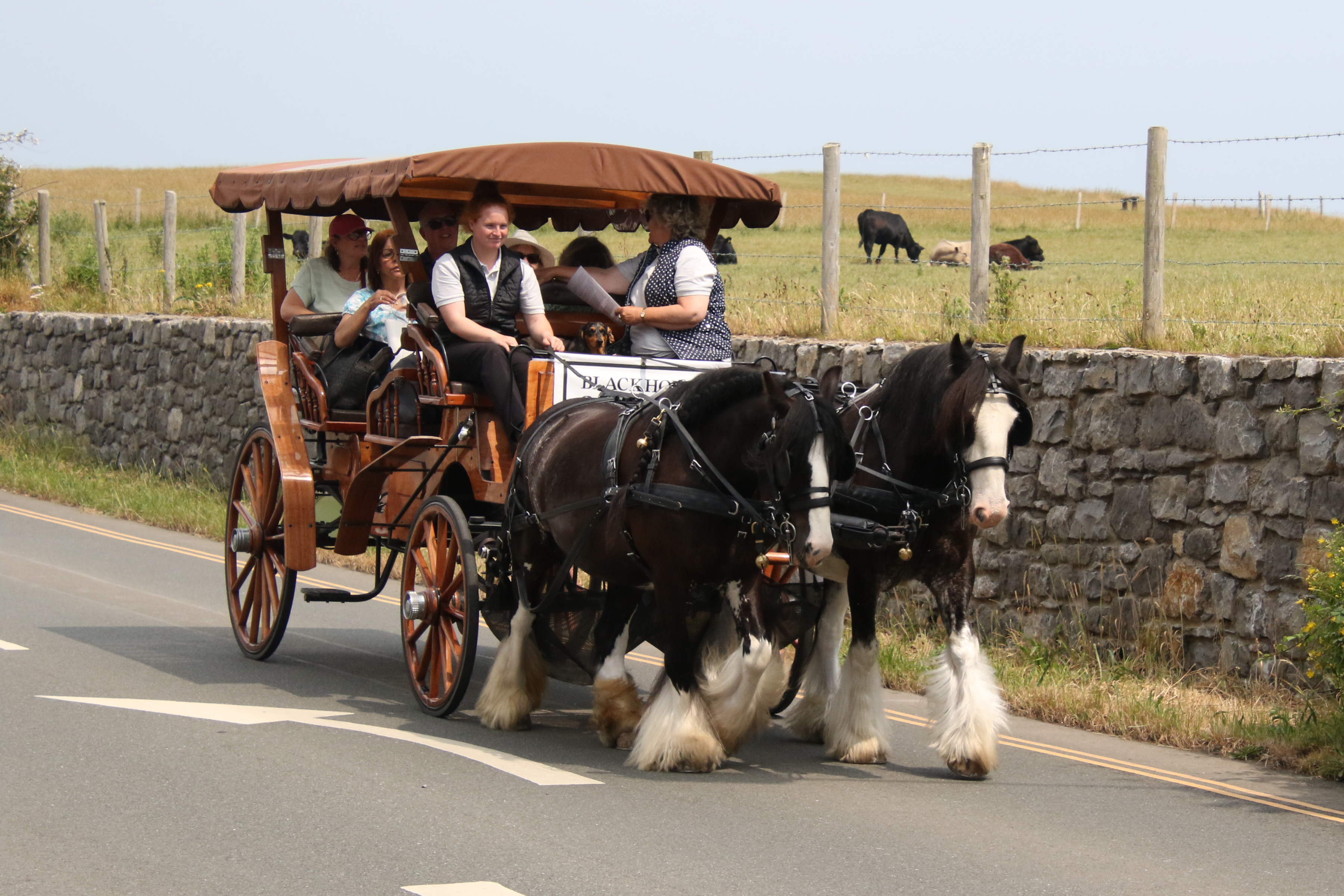
Blackhorse Horse Drawn Trips in Beaumaris
18 June 2023
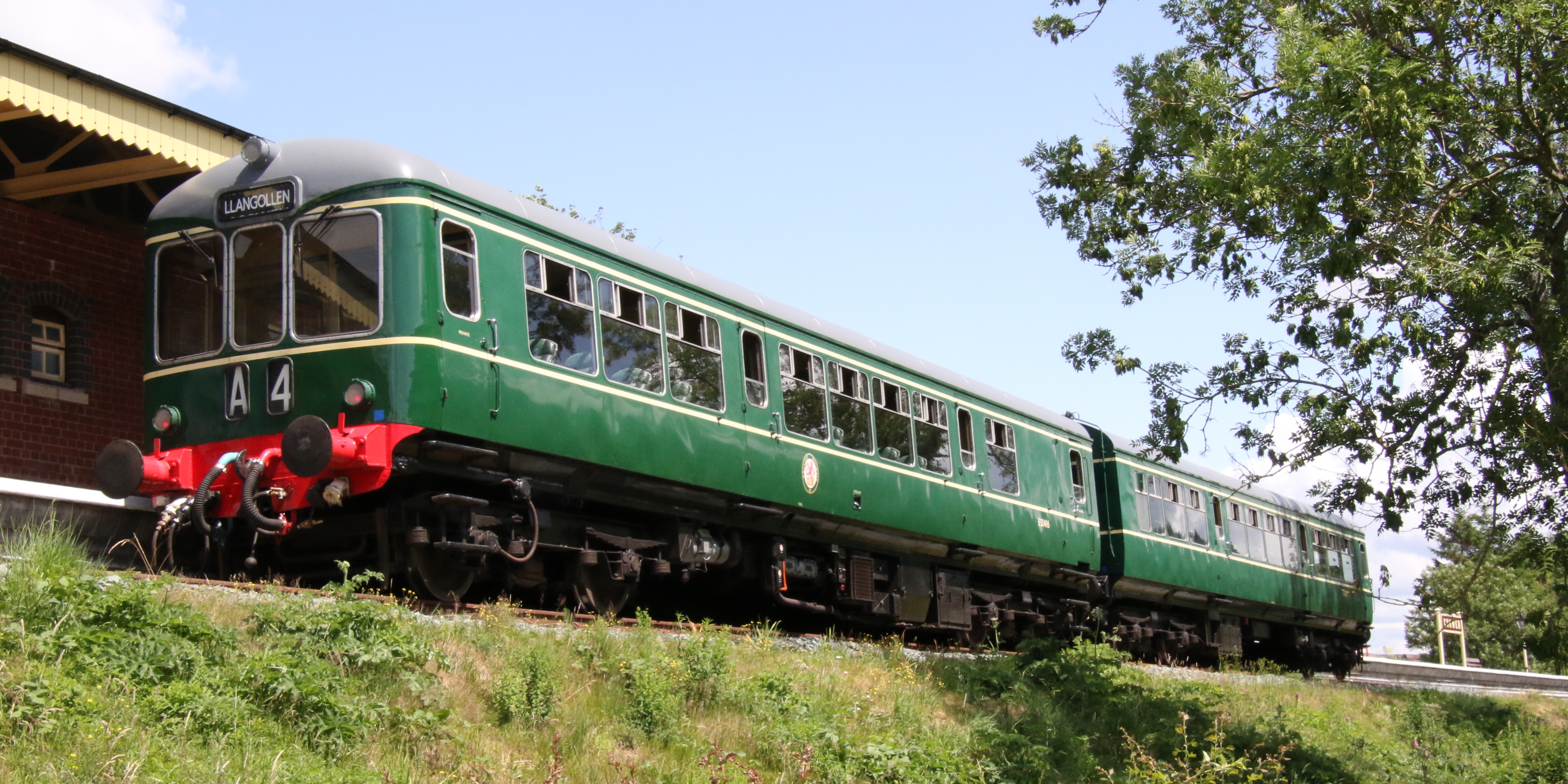
DMU at Corwen station on Llangollen Railway
21 June 2023
More pictures from June 2023
July 2023
The second weekend in July we visited the Falkirk Wheel. Later in the month there was a visit to Pollok Park, including Pollok House and the Burrell collection.
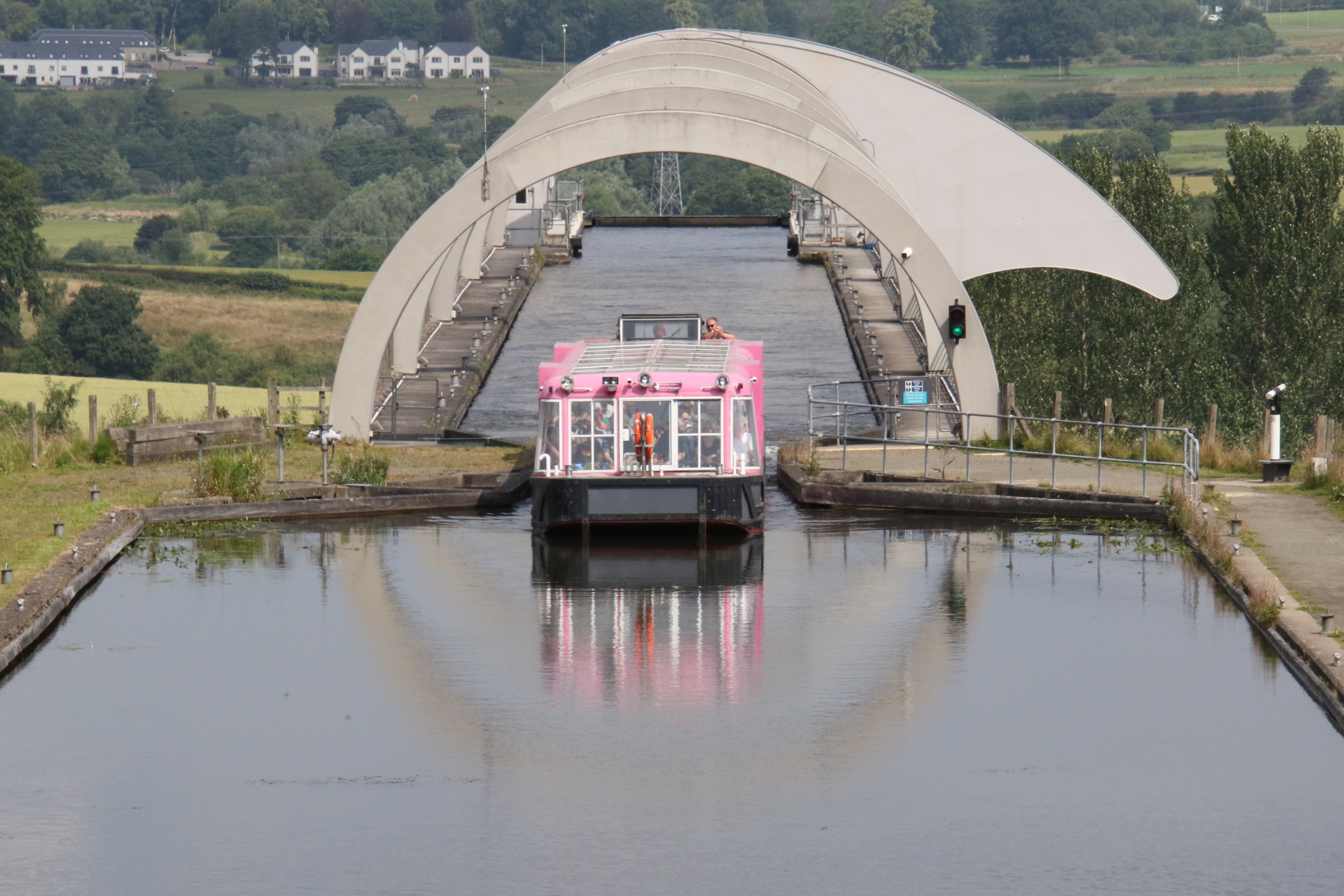
Boat coming off the Falkirk Wheel
8 July 2023
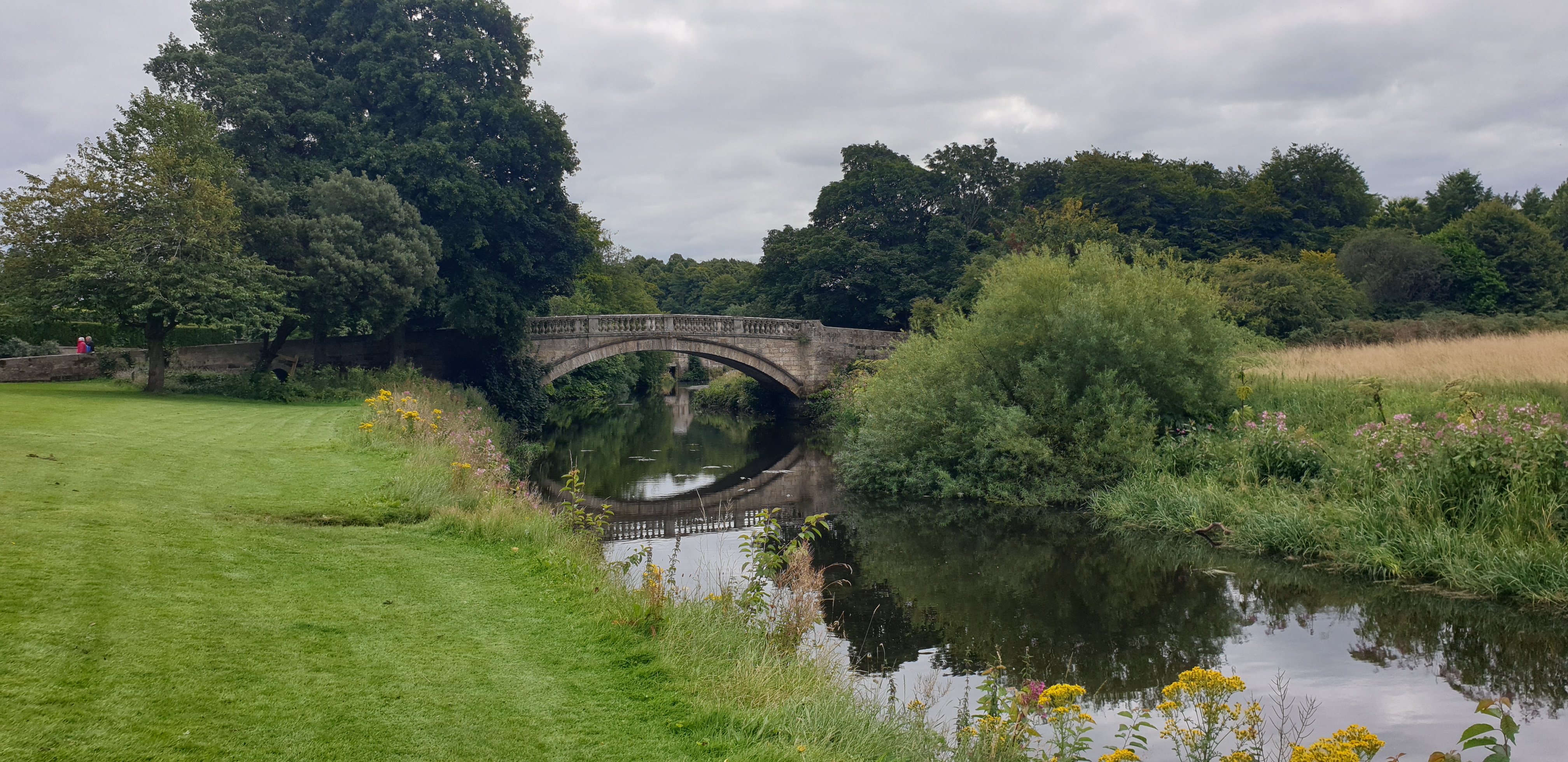
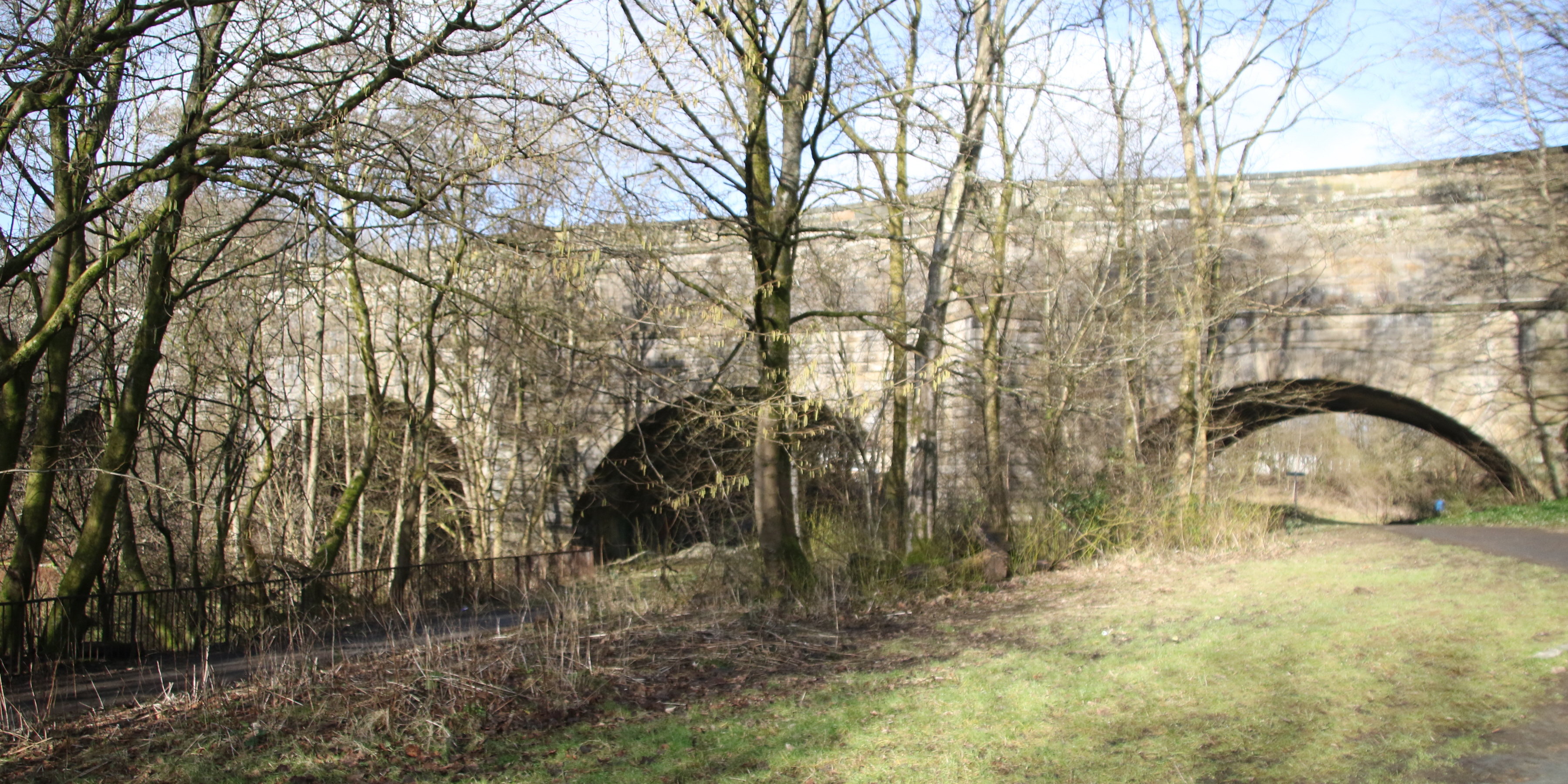
Bridge over the White Cart in Pollok Park
24 July 2023
More pictures from July 2023
August 2023
Saturday 5 August 2023 started sunny day, ideal for the Brodick Highland Games, although it did rain at the end of the day when the last ferry to ready to leave.
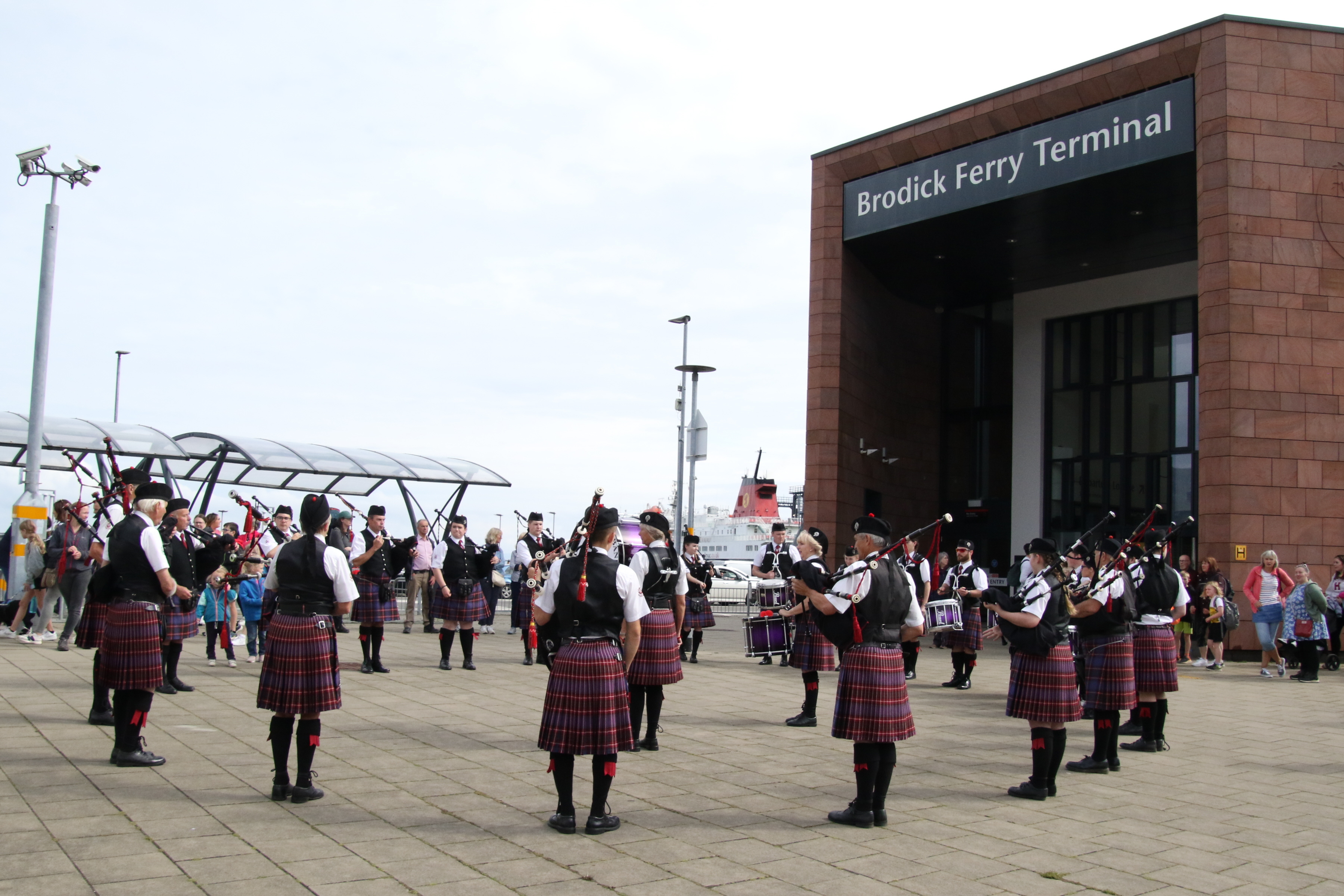
Arran Pipe Band at Brodick Ferry Terminal
5 August 2023
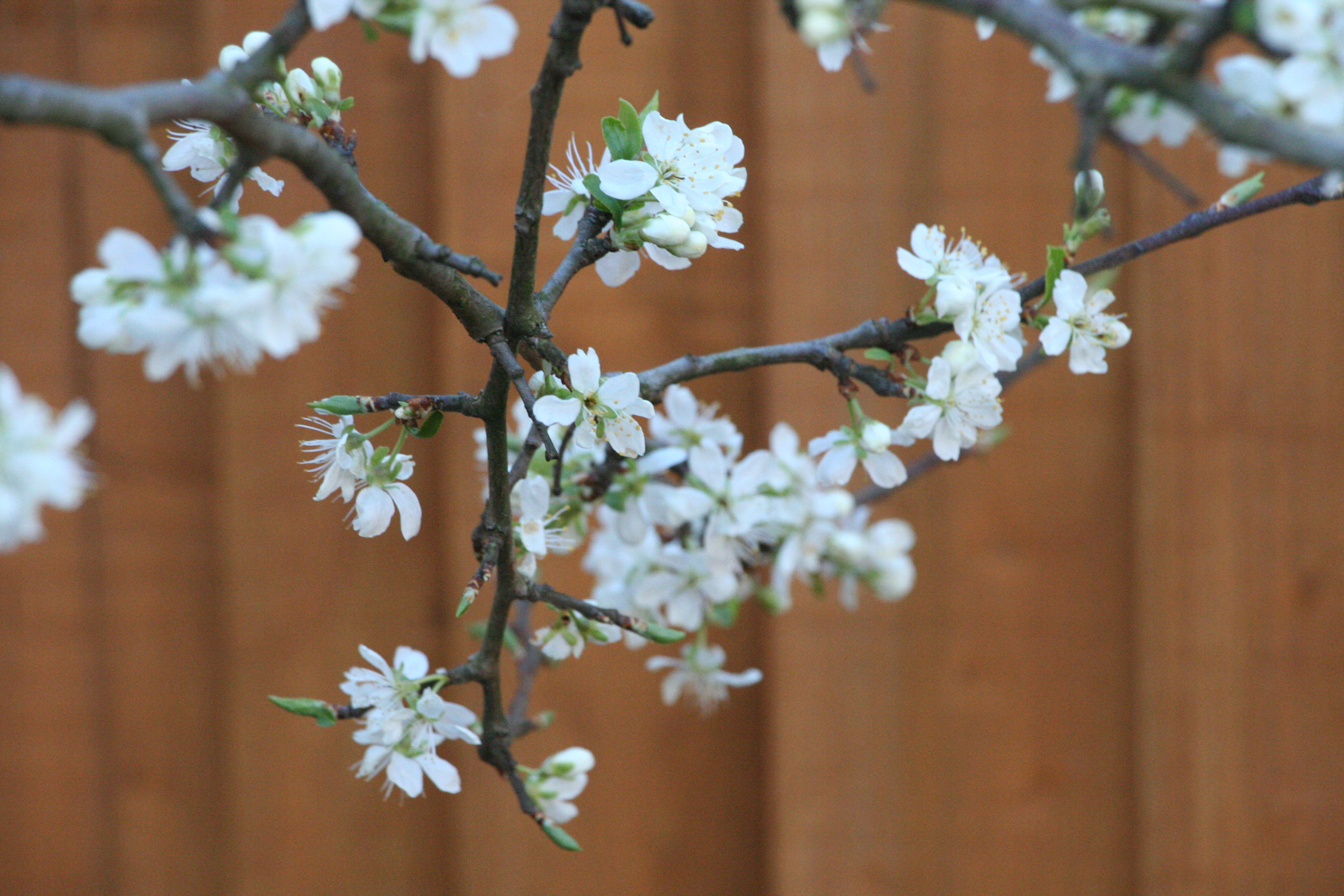
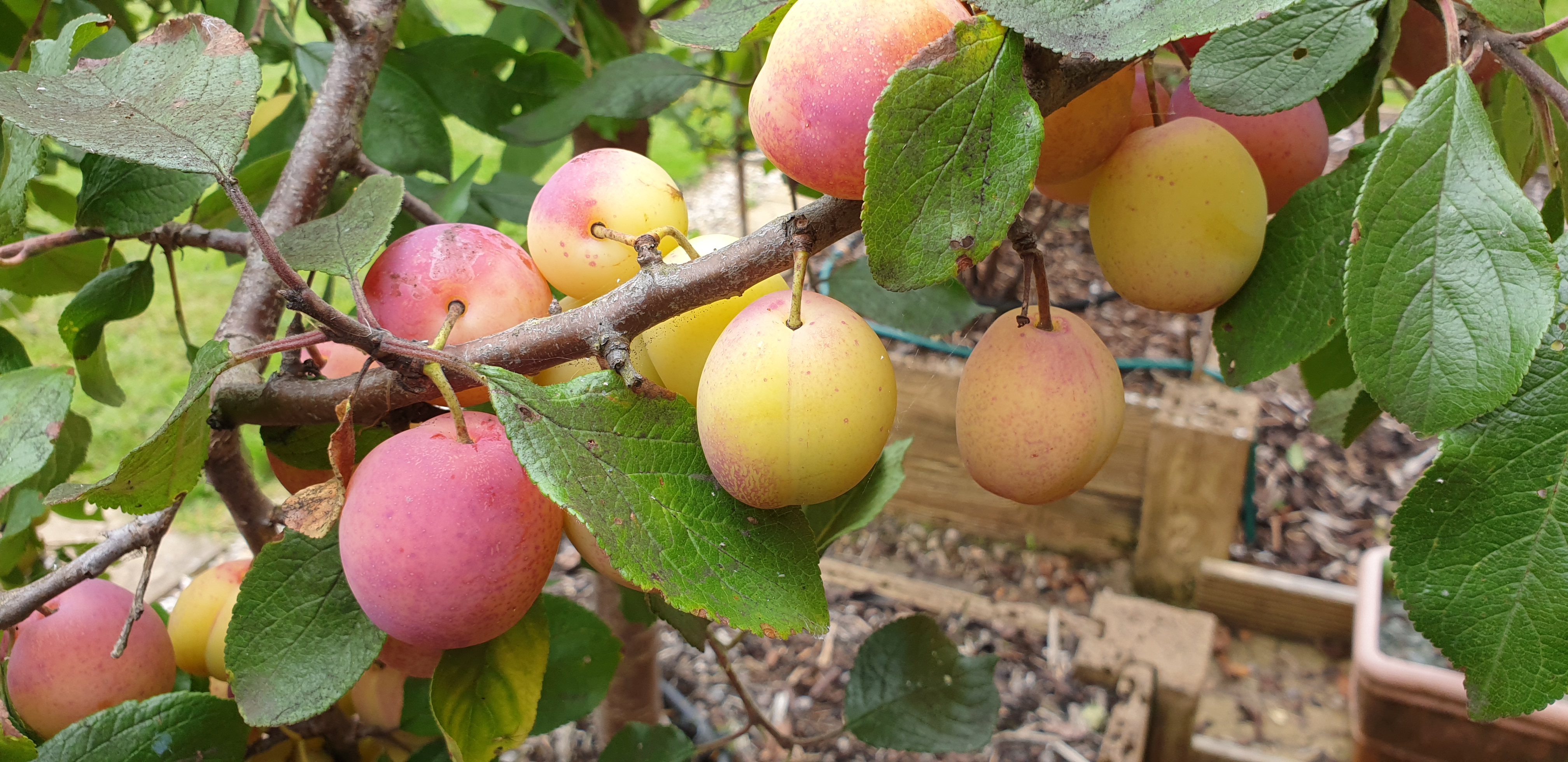
Later in the month, the Victoria Plum tree was showing the promise of a good harvest.
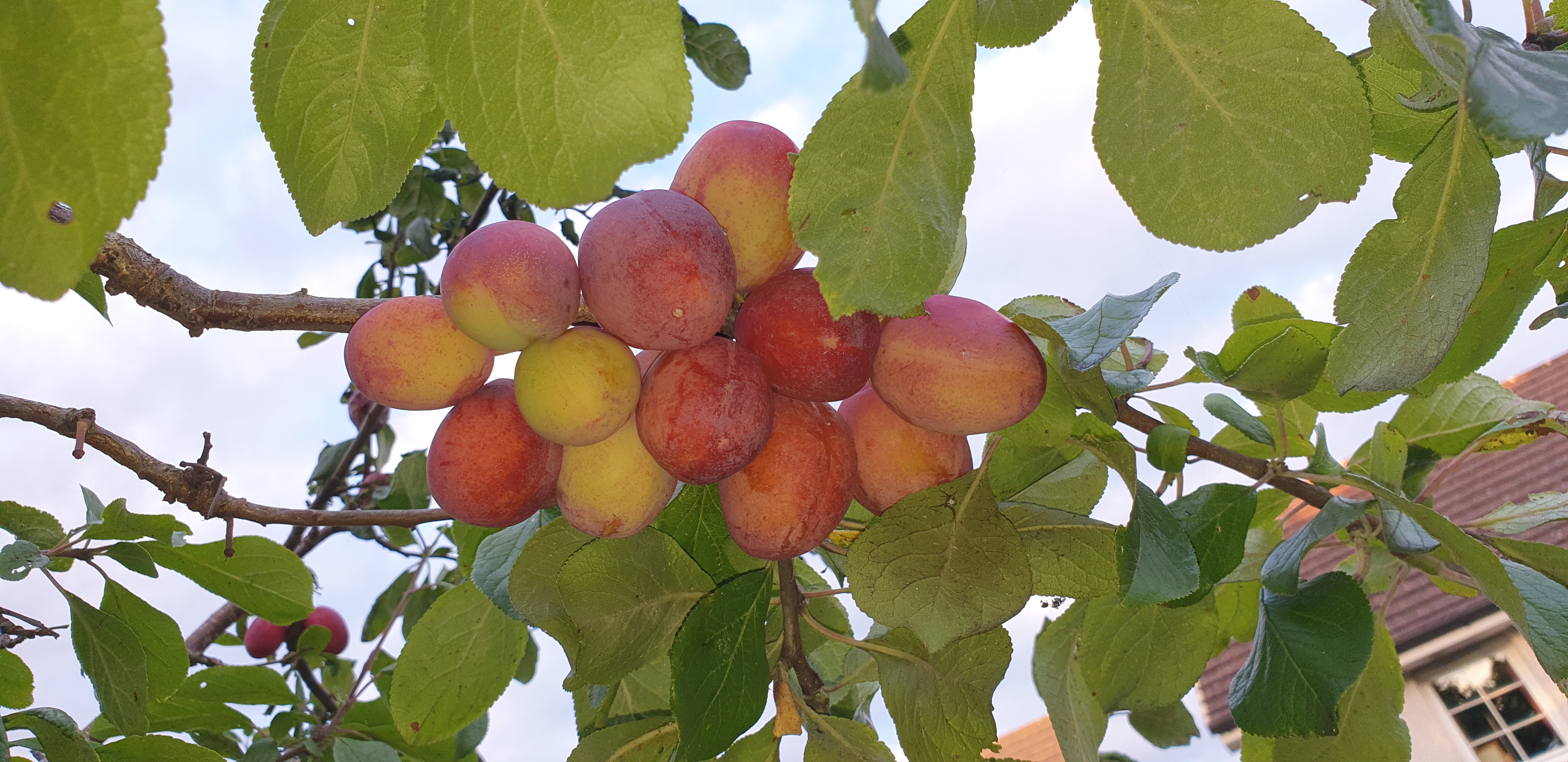
Prospective Plum Harvest
17 August 2023
More pictures from August 2023
September 2023
September 2023 heralded a welcome return to British Columbia. We started off in based in Vancouver, prior to going onto Vancouver Island, before returning to North Vancouver via the Sunshine Coast.
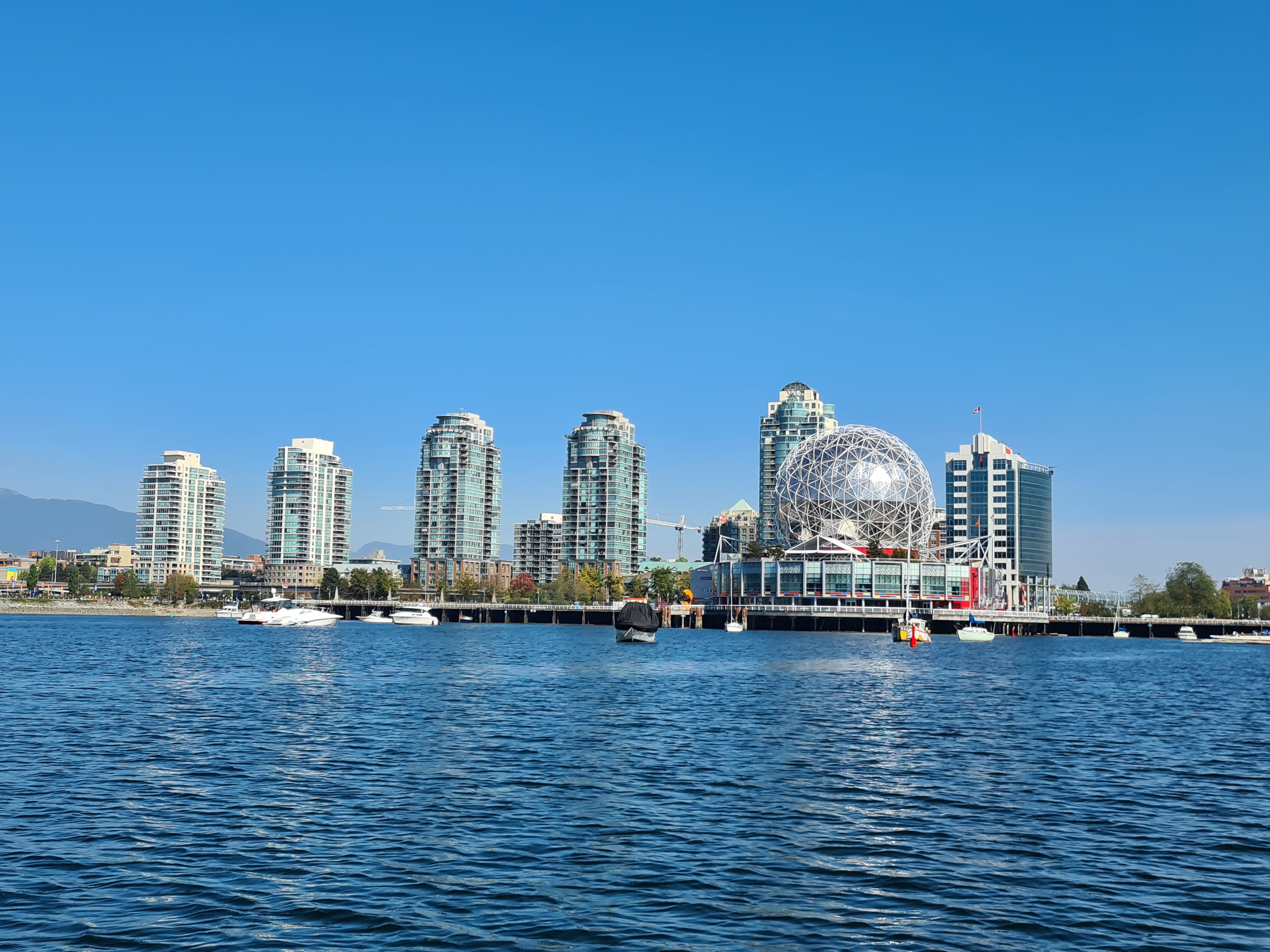
Eastern end of False Creek Vancouver, with the Science Centre
16 September 2023
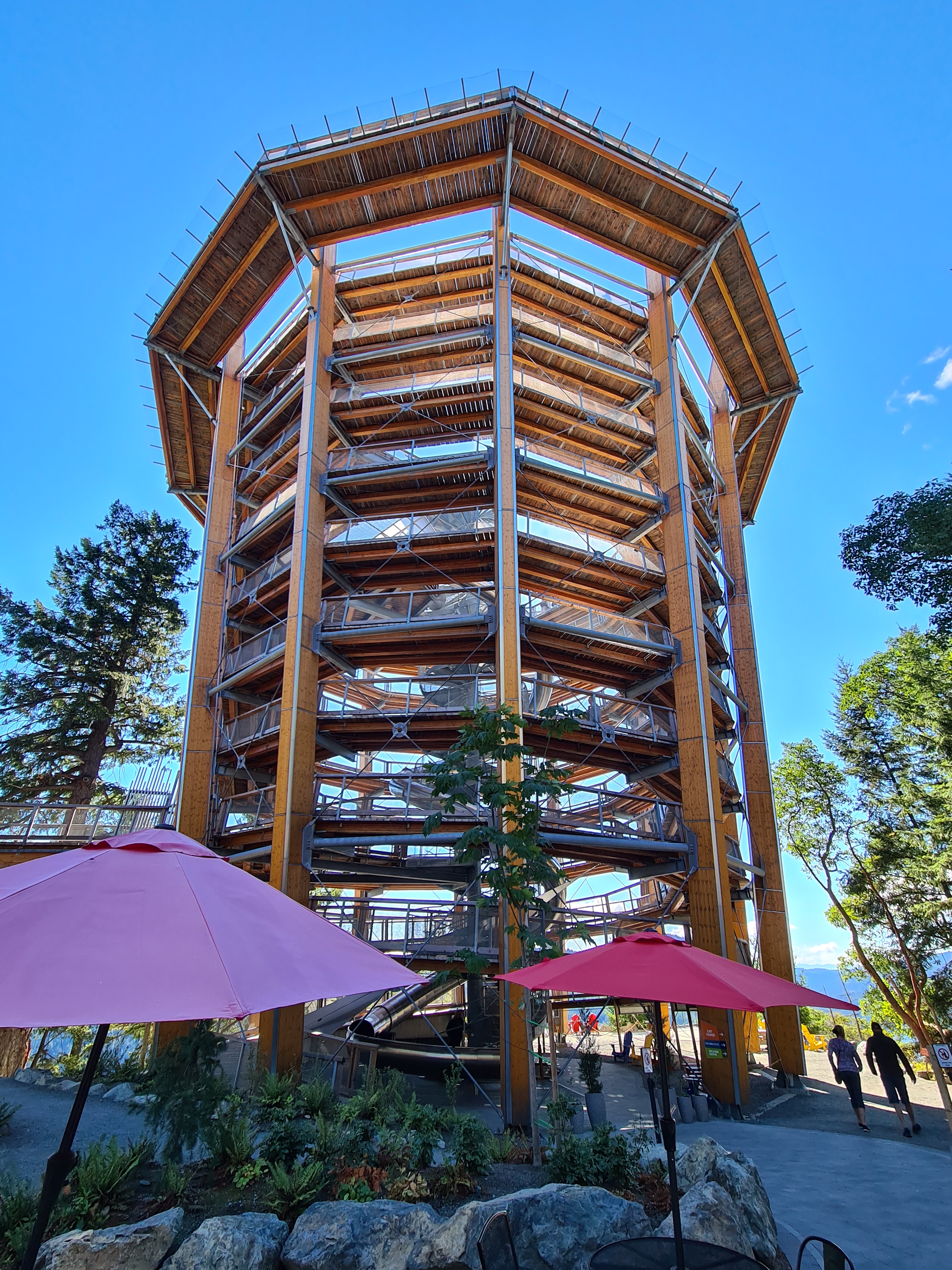
Malahat Tower on Vancouver Island
20 September 2023
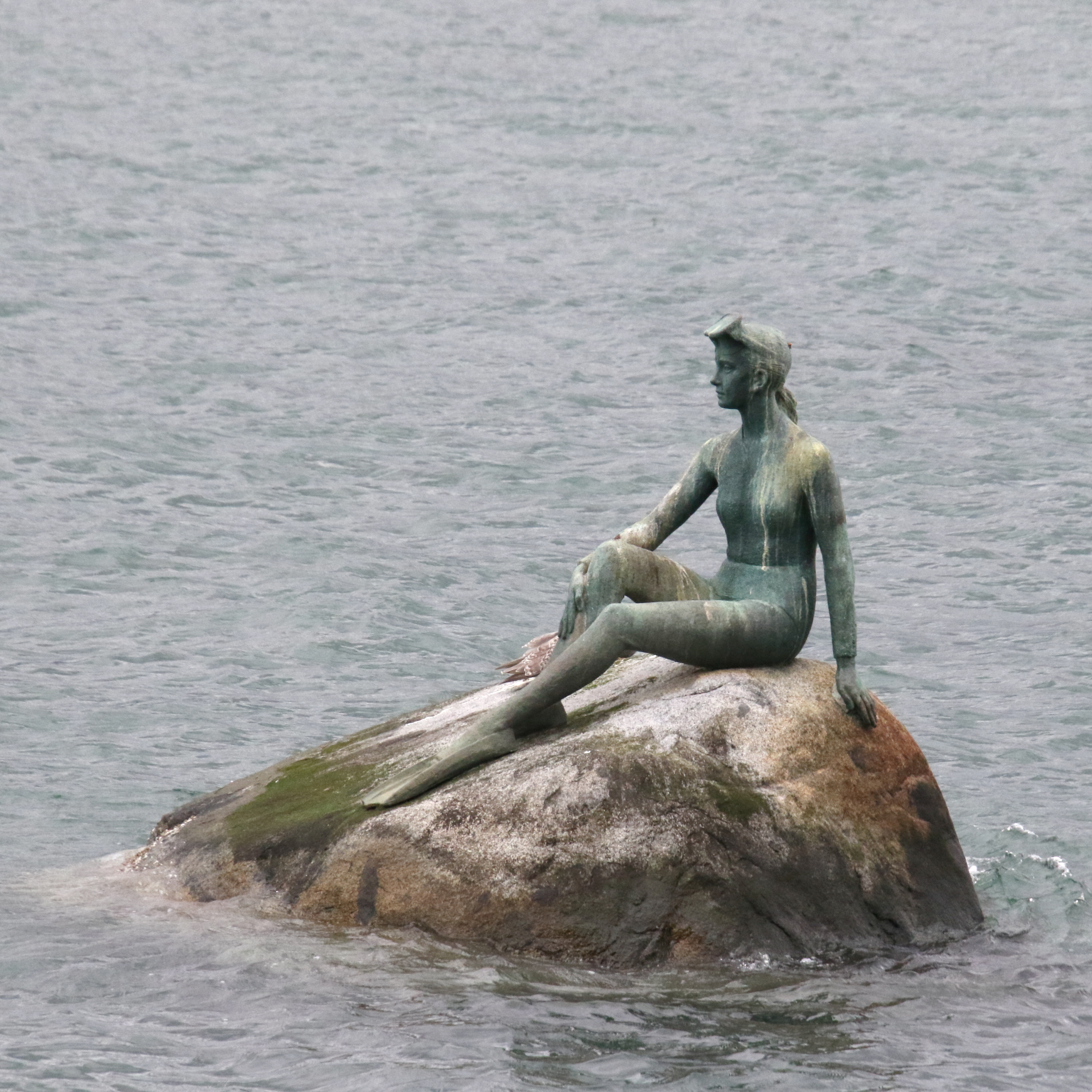
Girl in a Wet Suit off Stanley Park, Vancouver
26 September 2023
More pictures from September 2023
October 2023
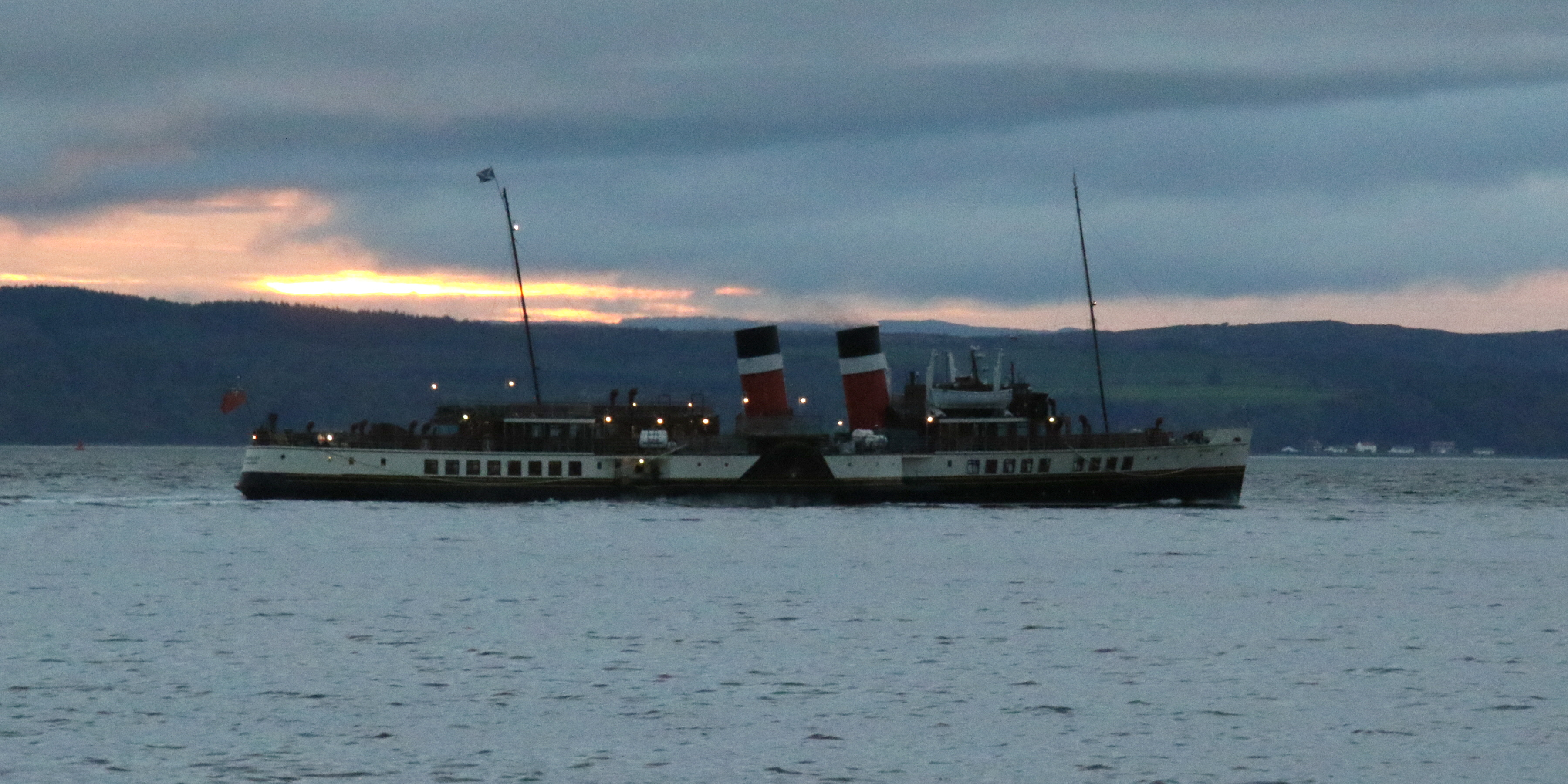
Early in the month we visited London, seeing the PS Waverley in its final weekend on The Thames prior to returning to the Clyde. Later on we had our October trip to Porthmadog.
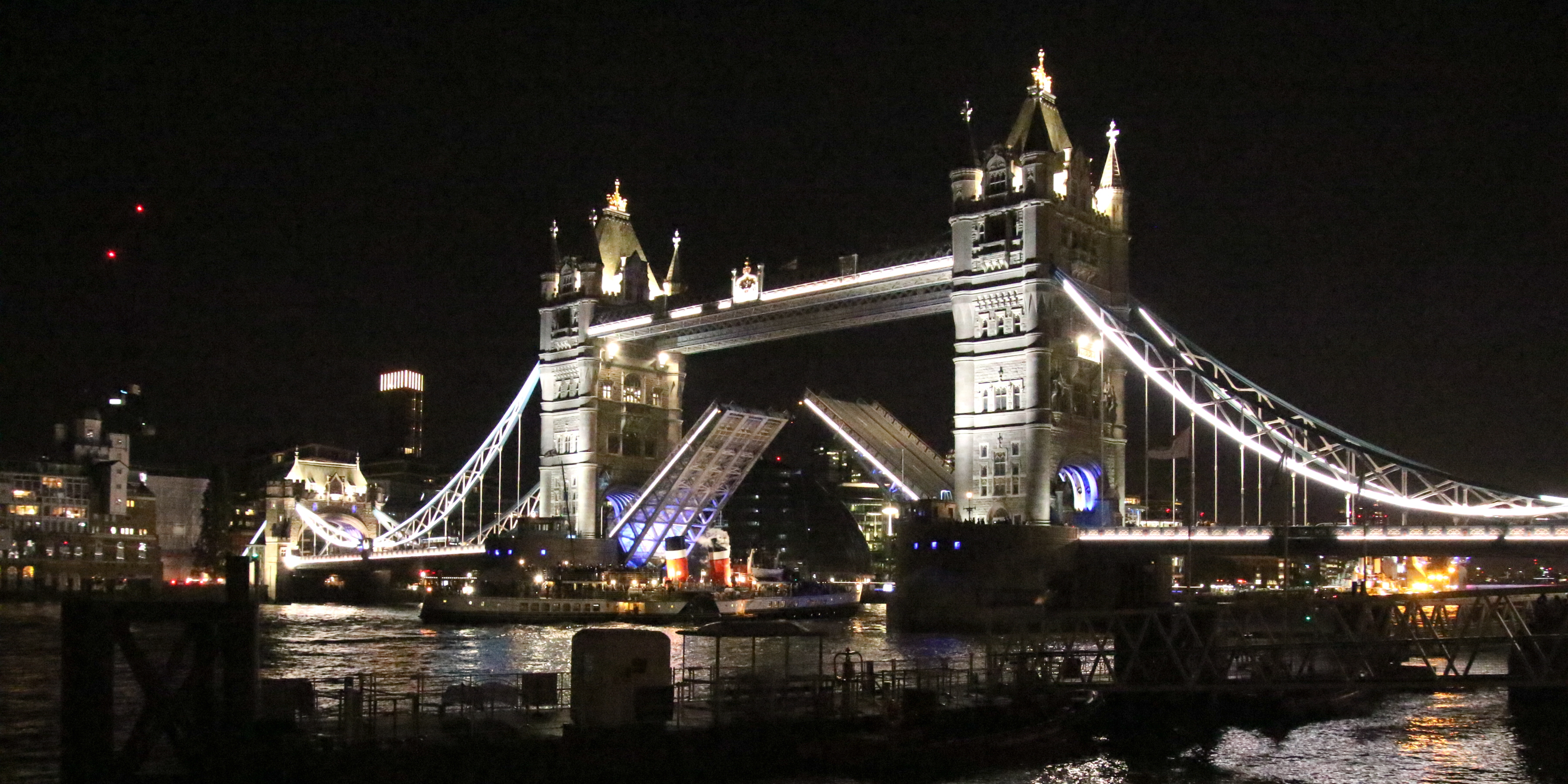
PS Waverley going to Tower Bridge at night time
7 October 2023
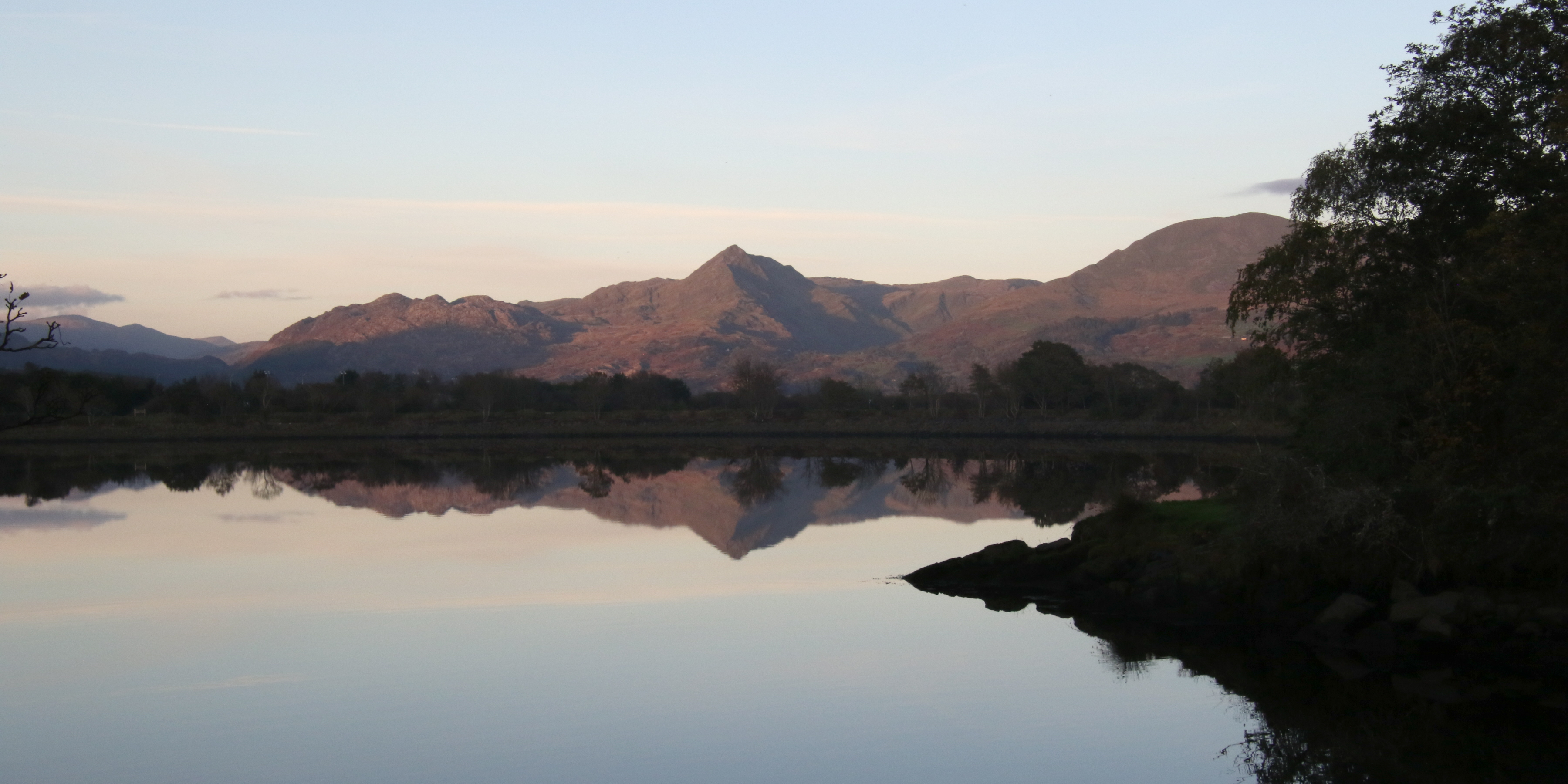
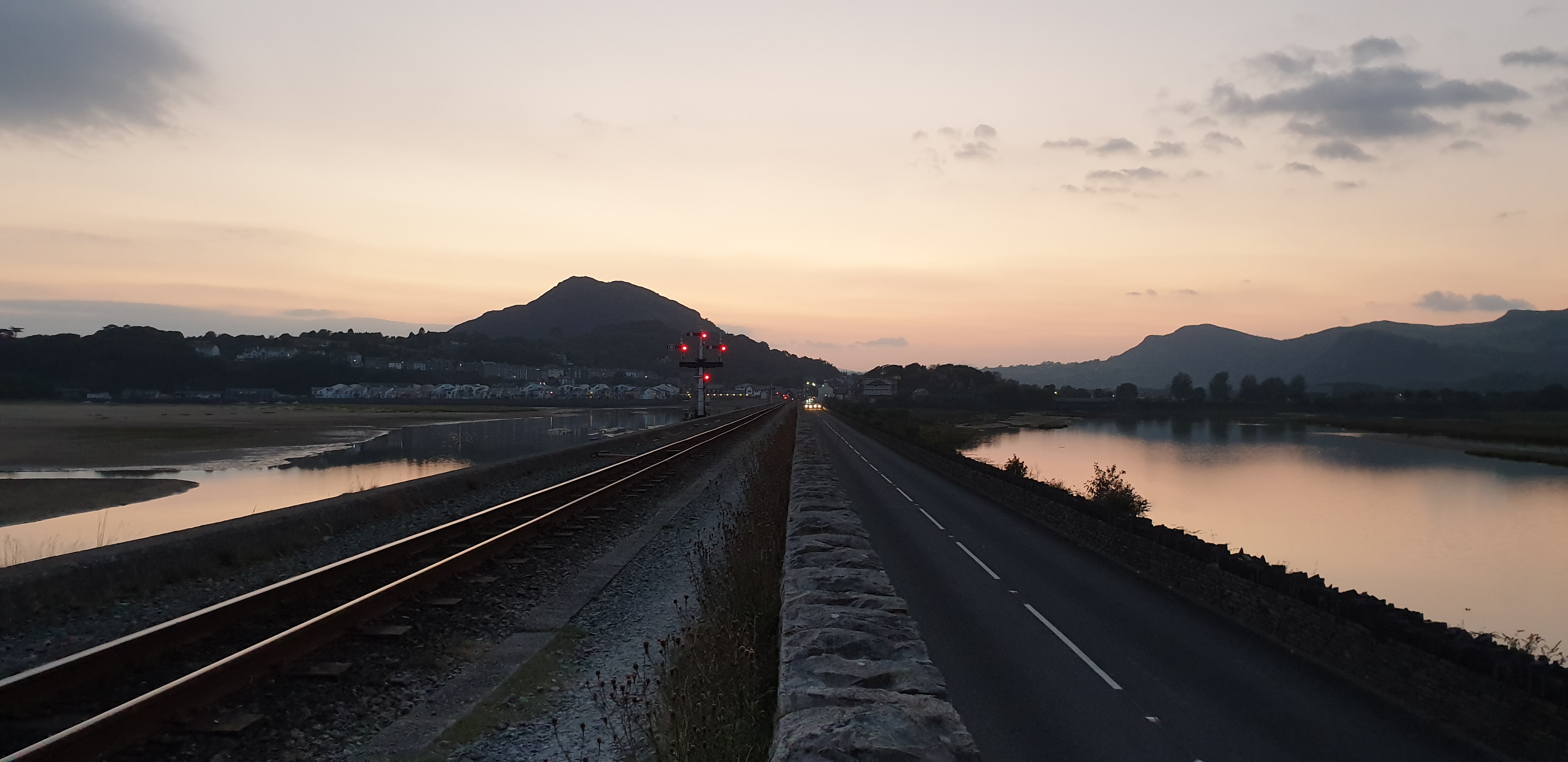
Sunset over Cnicht
22 October 2023
At the end of the month, retirement from Hunterston B Power Station occured, after over 37 years working for the Electricity Supply Industry.
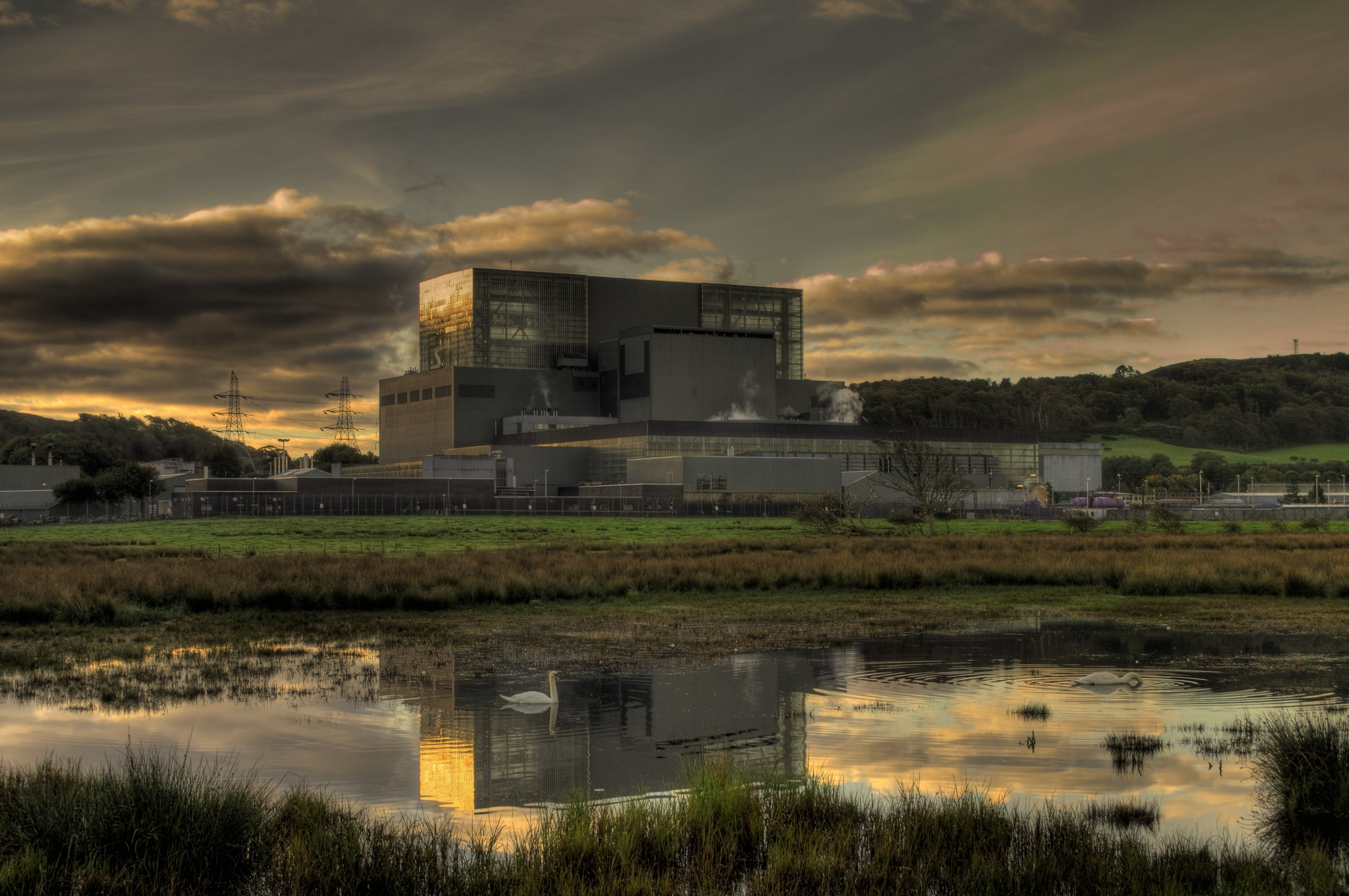
Sunset over Hunterston
(c) Martin McKerrell
November 2023
November was the first month of retirement. We undertook trips to the Isle of Arran and Sheffield. Also a sightseeing flight from Loch Lomond over the Kintyre Peninsula.
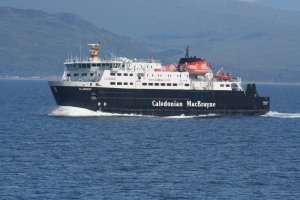
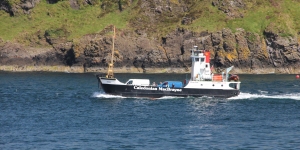
Due to a fault on the main Arran Ferry, MV Caledonian Isles, we had to drive round to Claonaig to get a substitute ferry. It was a glorious afternoon for the drive, however the time pressure to get to the ferry meant we were not able to enjoy the sights, until we knew we were getting on the ferry.
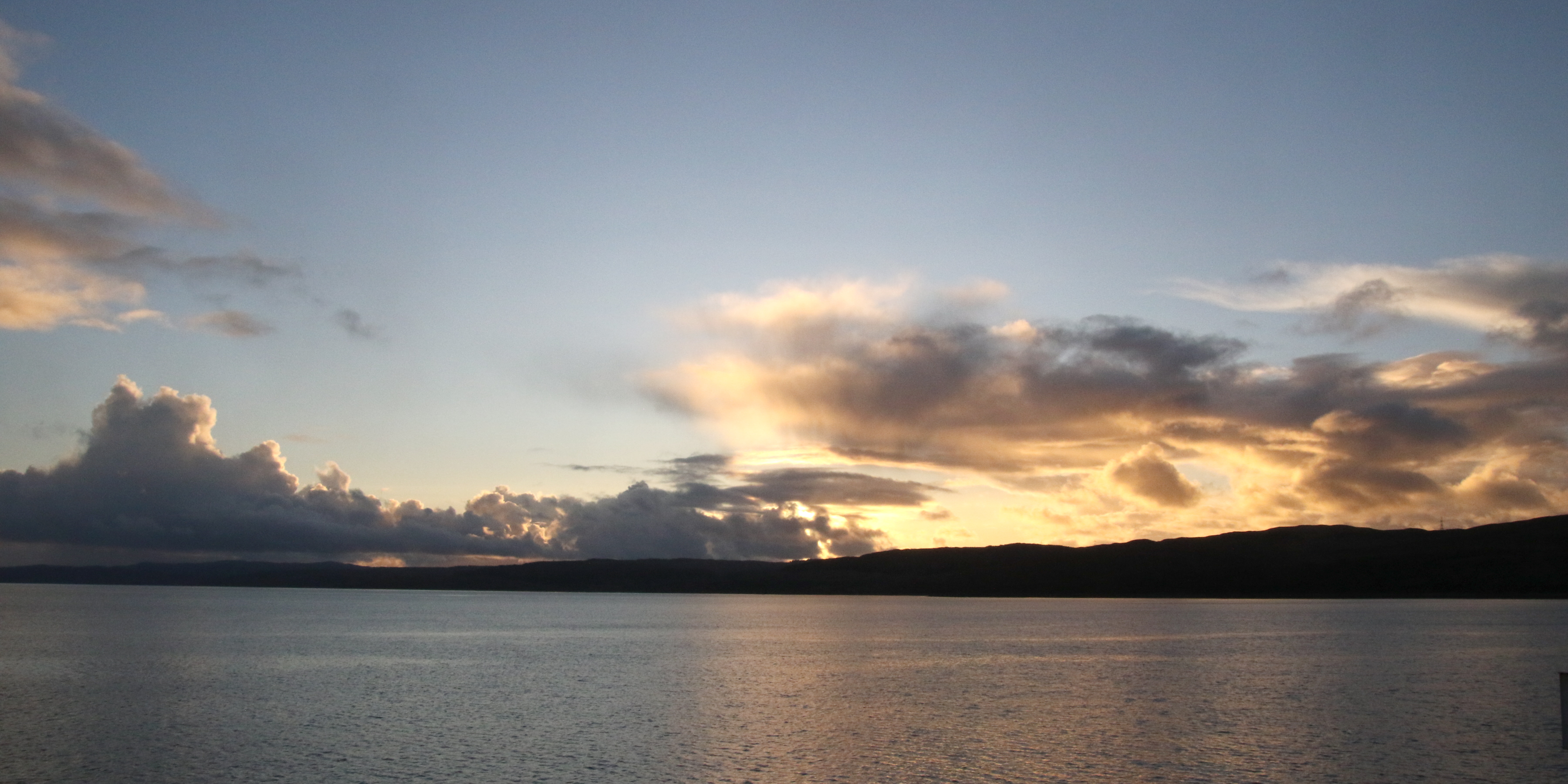
Sunset over Kilbrannan Sound
10 November 2023
The following day we had lunch at the Tee Room as Shiskine Golf Club, were we saw an Oystercatcher on one of the greens.
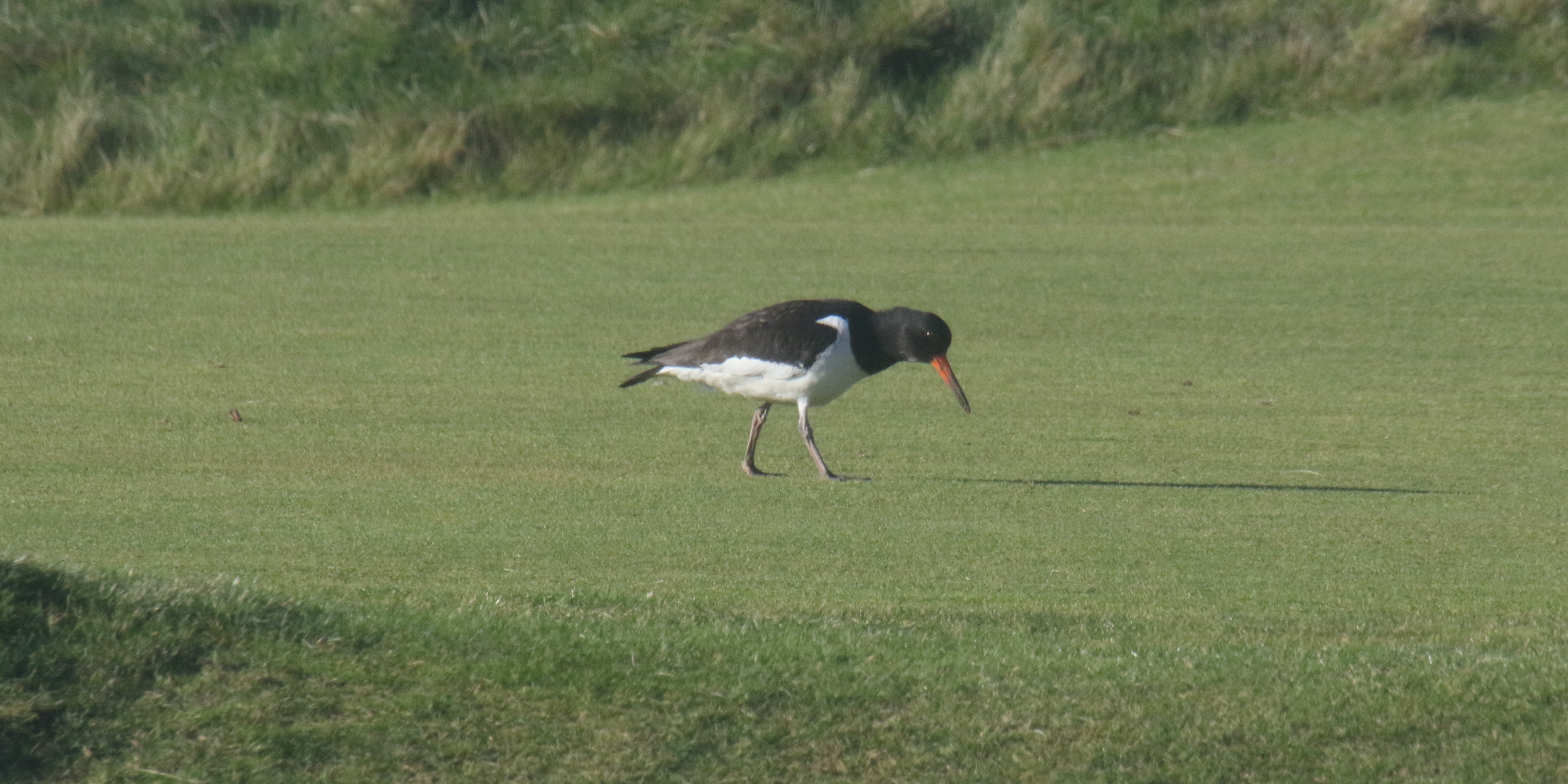
Oystercatcher on a green at Shiskine Golf Club
11 November 2023
The following weekend we visited Sheffield. On our first day we headed into Derbyshire to visit the Great British Car Journey. Later on we headed to Clumber Park and a Shaun the Sheep Trail,

St Mary’s Chapel, Clumber Park
18 November 2023
In the evening we attended a performance of Elijah by The Sheffield Bach Choir.
On the Sunday we were at Sheffield Cathedral for morning service, and Chesterfield Parish Church for Choral Evensong.
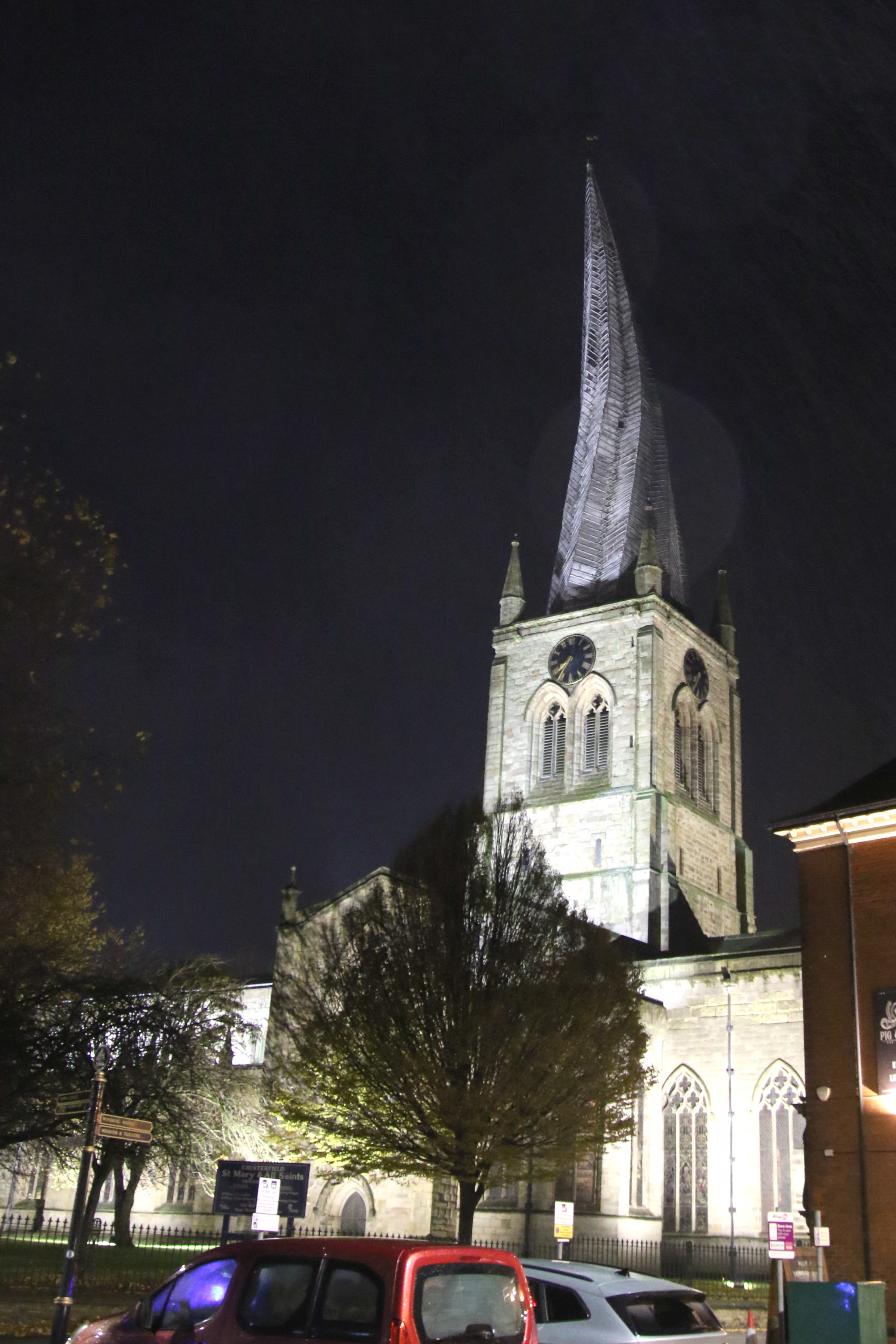
The Crooked Spire, Chesterfield Parish Church
19 November 2023
At the end of the month was a concert – Handel’s Messiah – and a return visit (the first for nearly four years) to Nick Nairn’s Cook School
More pictures from November 2023
- Great British Car Journey – 18 November 2023
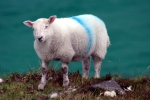
- Find the Flock at Clumber Park – 18 November 2023
- Chesterfield Parish Church – 19 November 2023
- More pictures from our November 2023 Visit to Sheffield
- Hutchesons’ Choral Society – Messiah – 26 November 2023
- Nick Nairn Cook School – 30 November 2023
December 2023
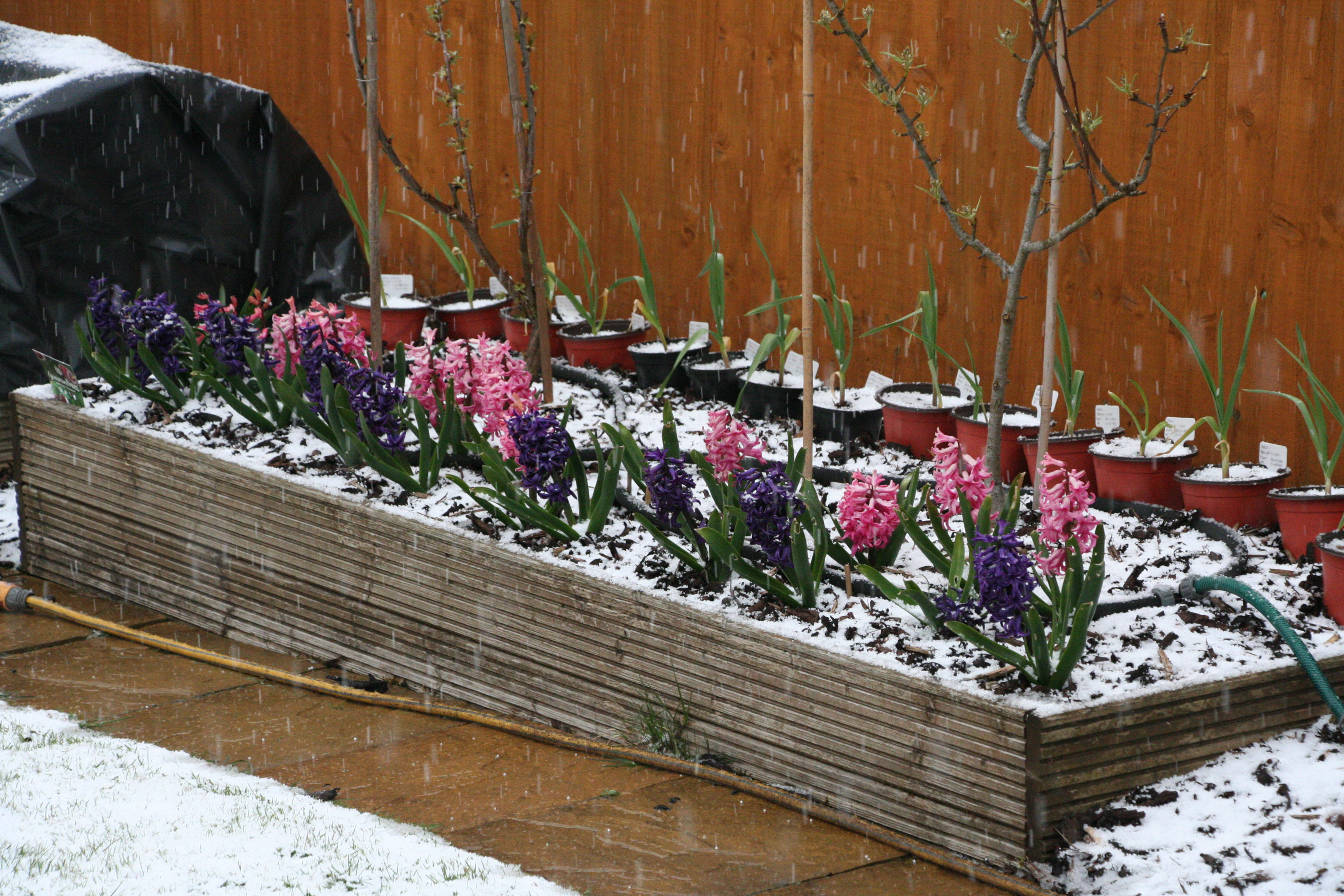
Early December gave use the first snow of the winter, although it only stayed of around a day or so.
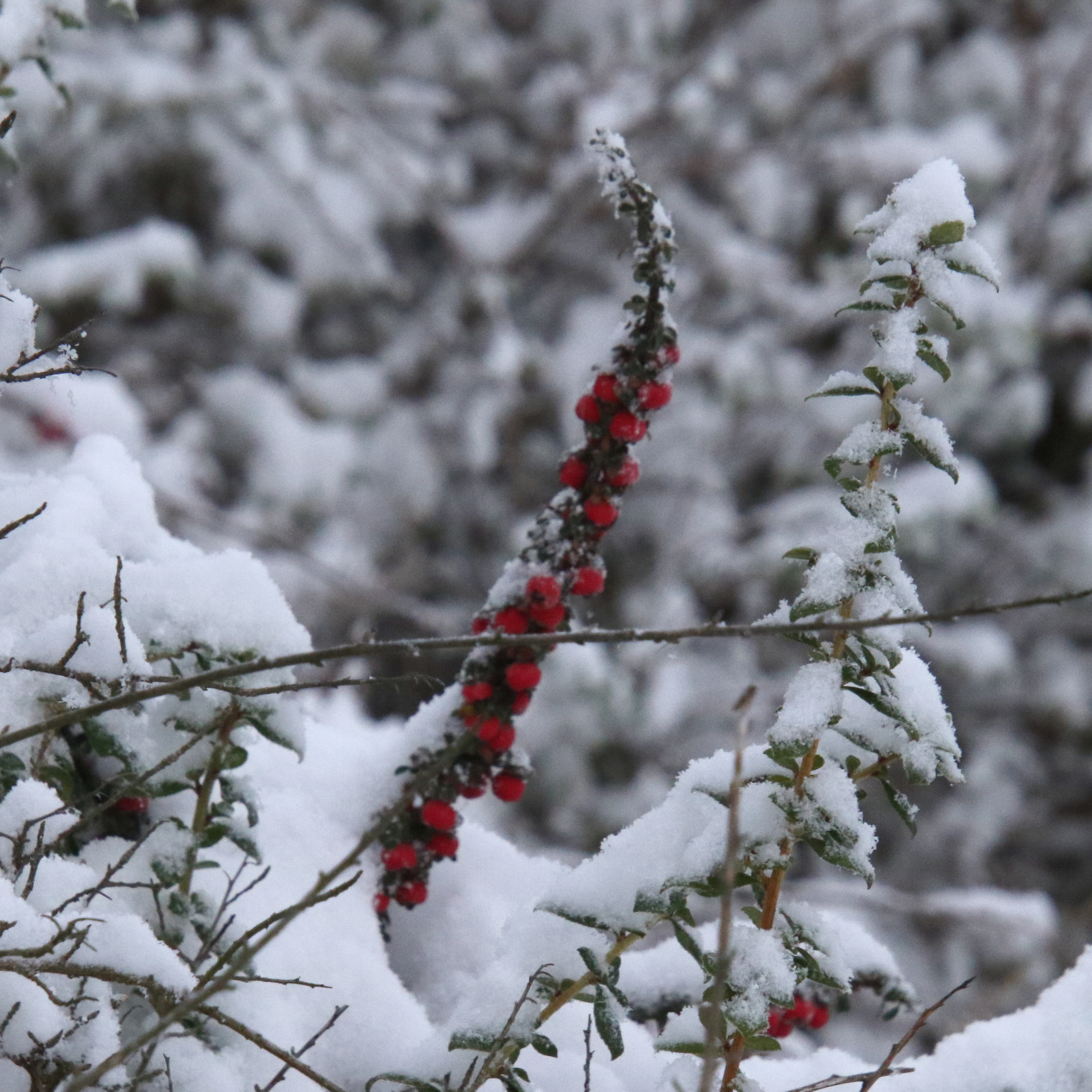
Snow on the Cotoneaster
2 December 2023
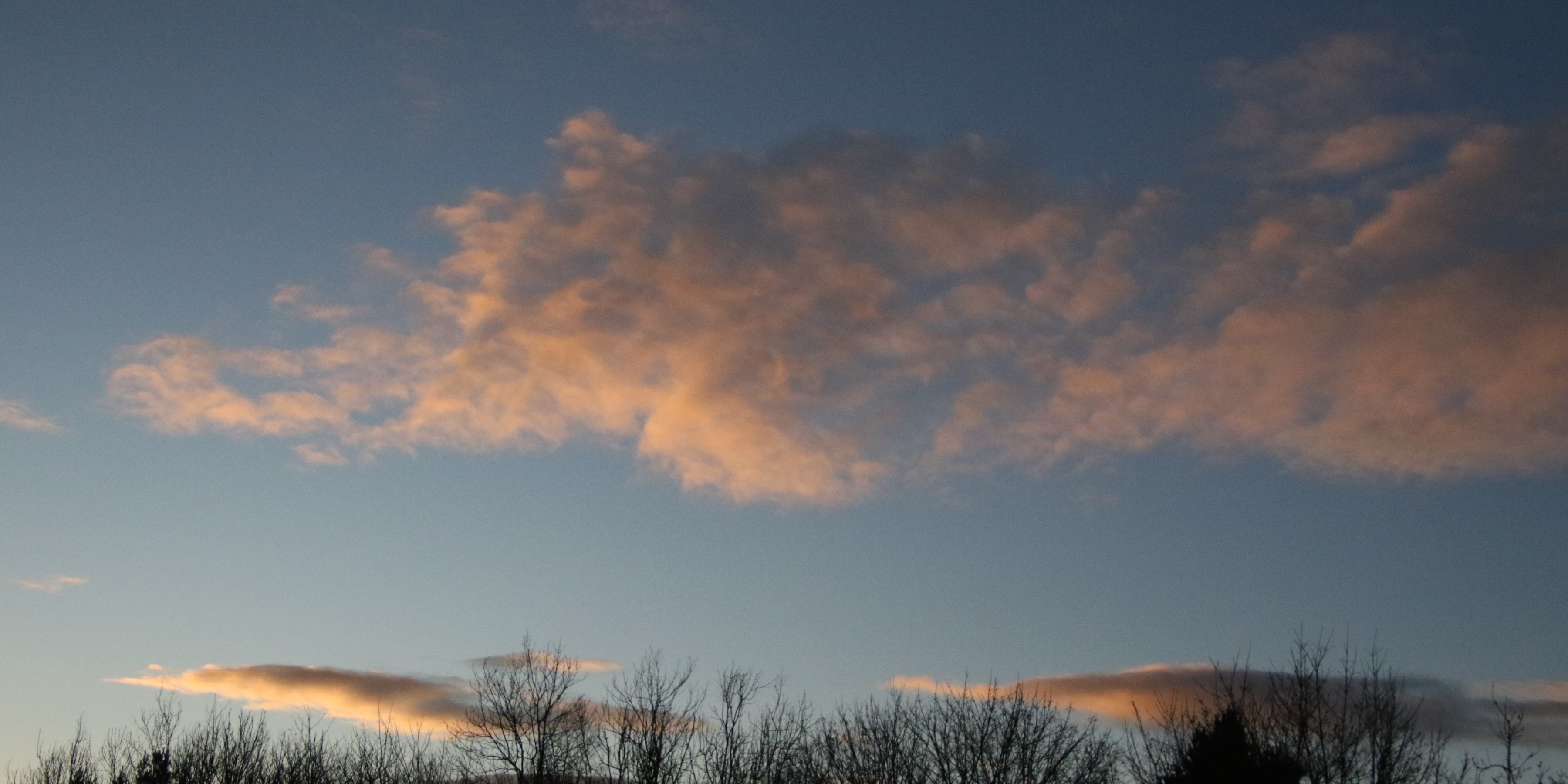
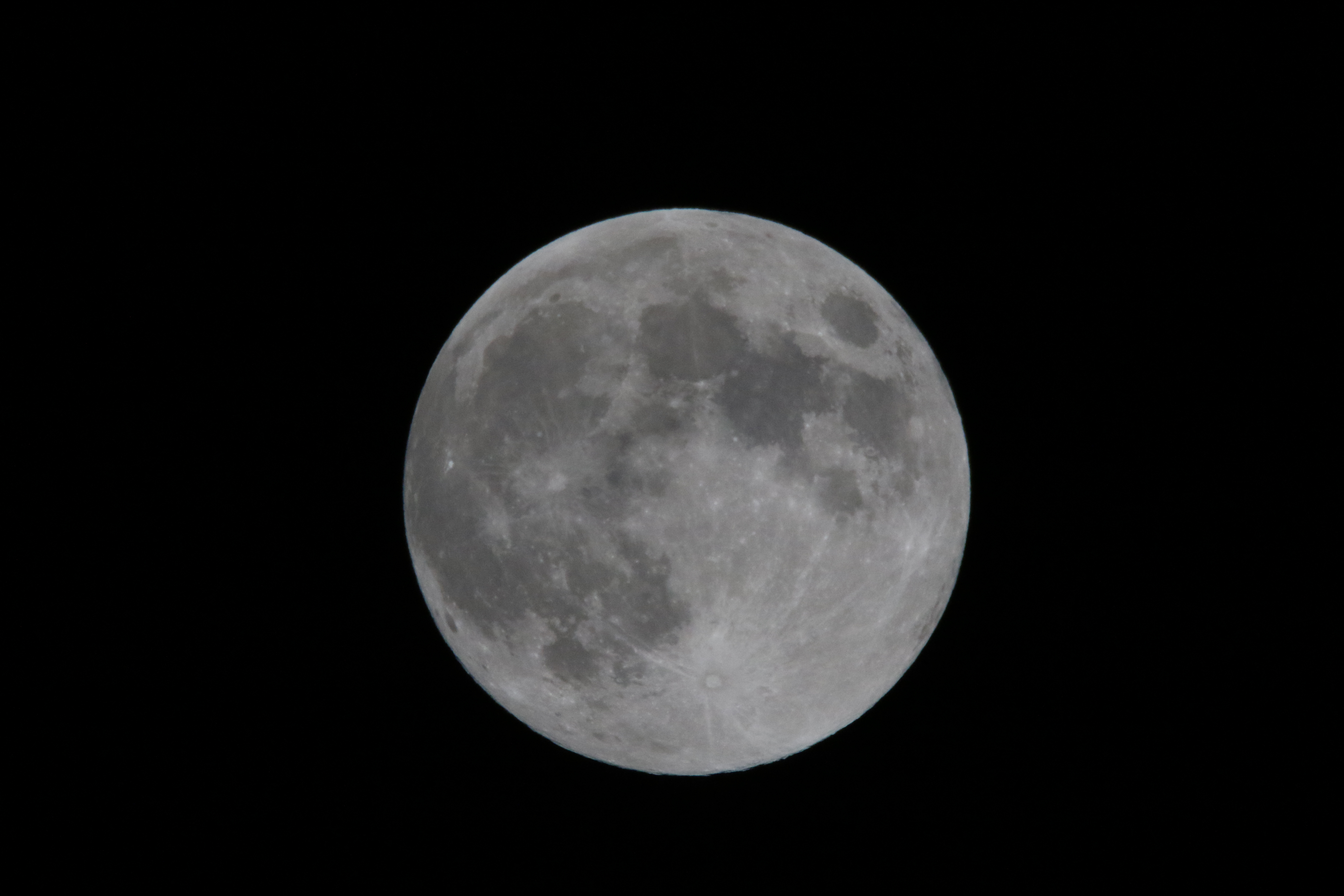
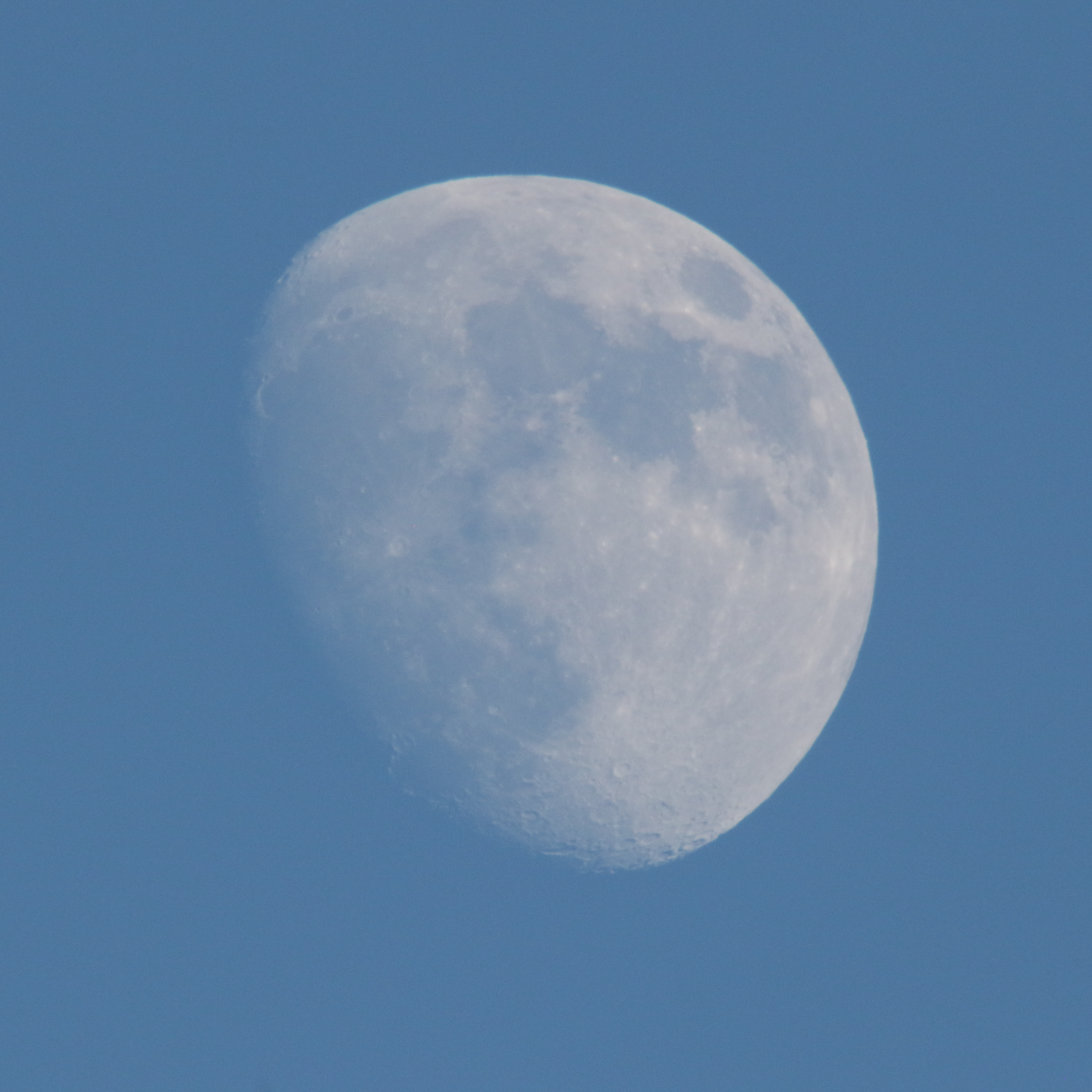
Throughout the year, I have attempted to photograph the full moon. most of the time the weather conspires to prevent a clear view. The Cold Full Moon was due in the early hours of the 27 December, and had a thin cloud cover.
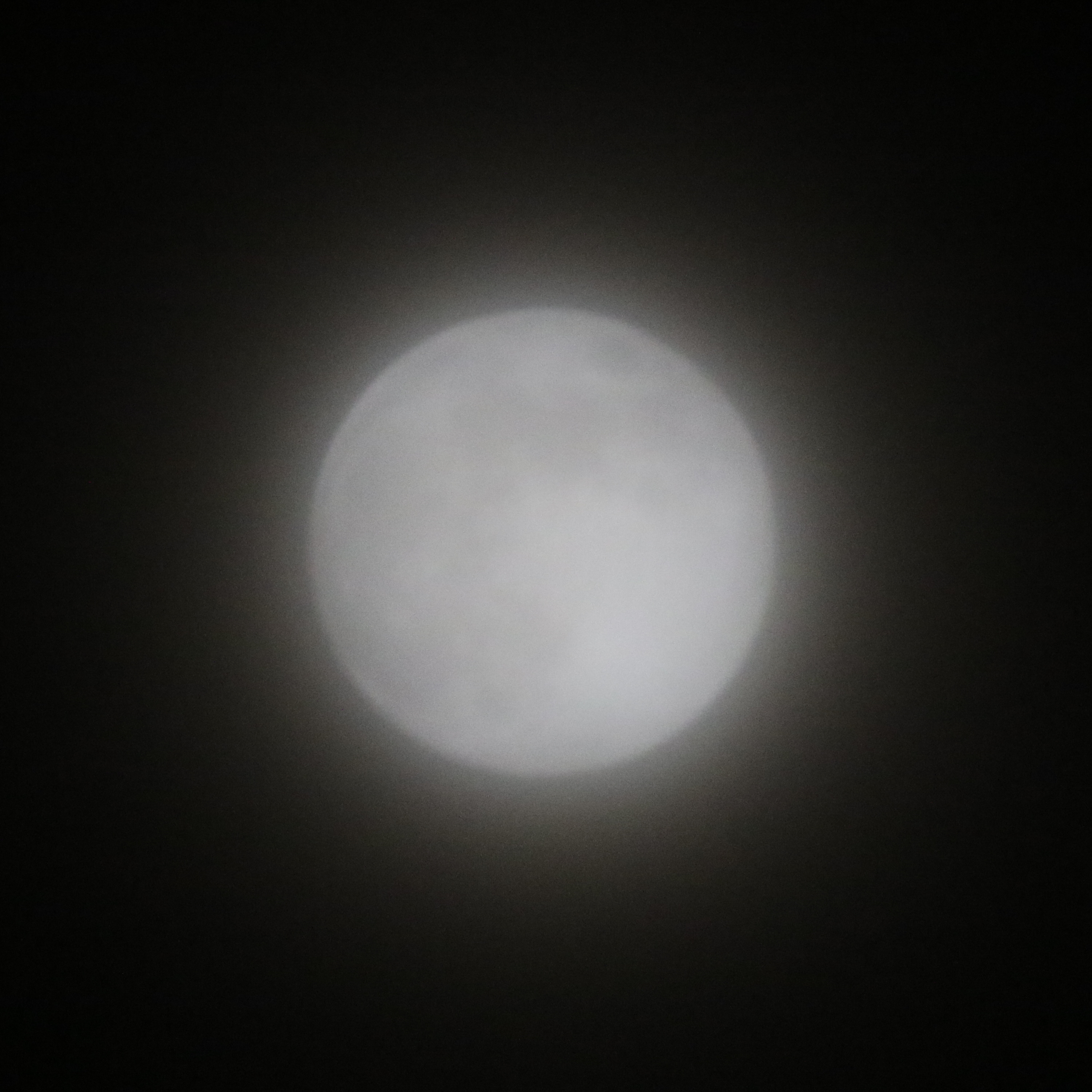
Cold Full Moon
26 December 2023
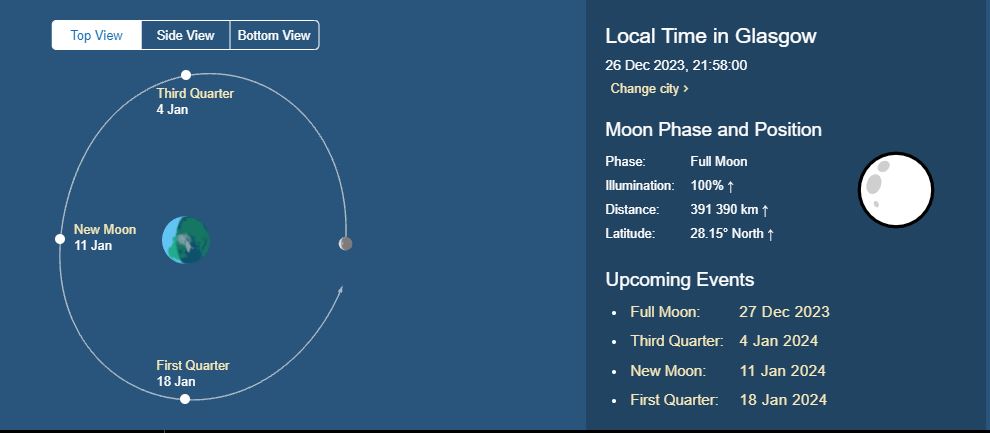
Cold Full Moon Details
26 December 2023
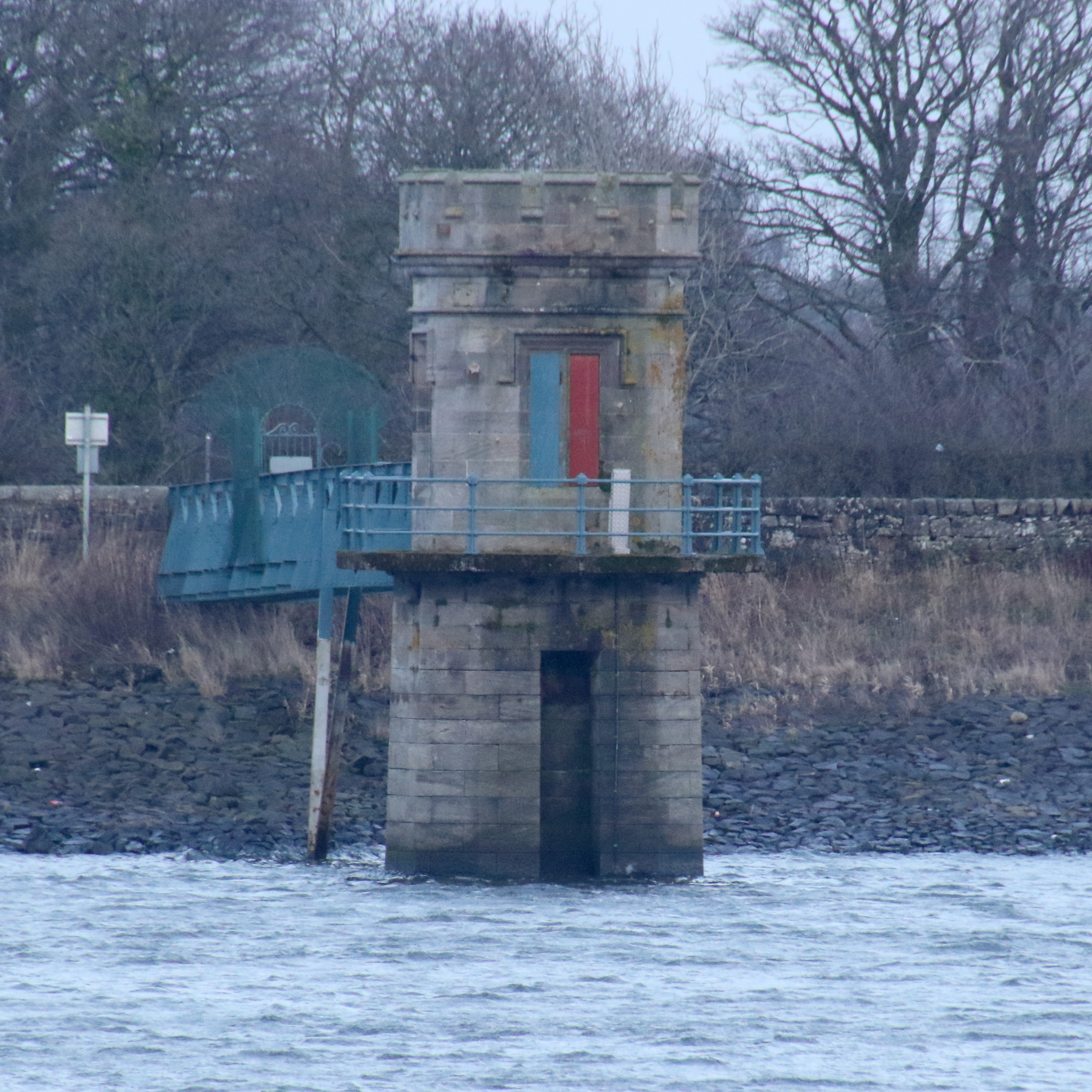
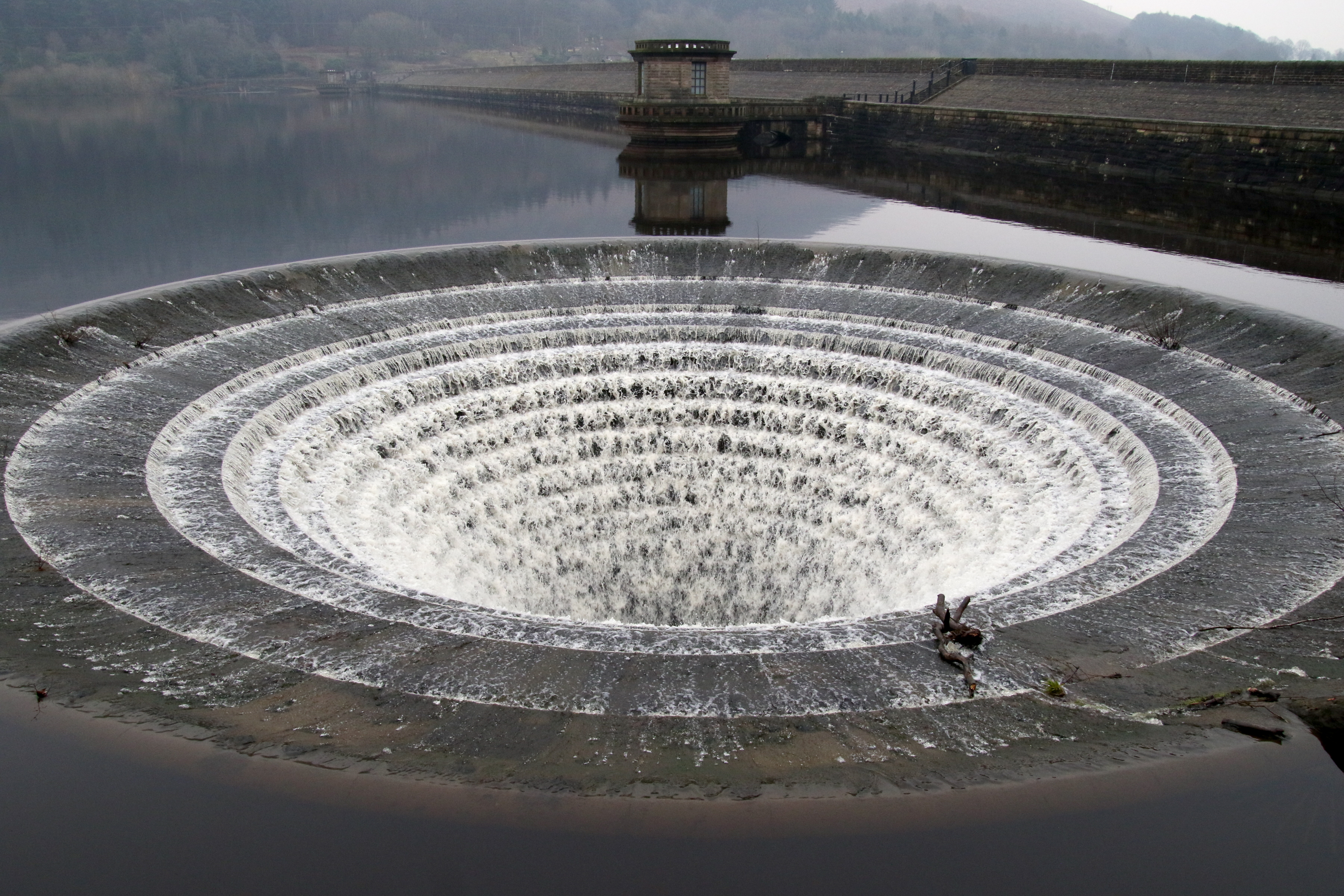
So at the end of 2023, a visit to Balgray Reservoir on a dull Hogmanay. There will be changes in 2024 with realignment of Aurs Road and new walking routes. From there the wind turbine on Cathkin Braes was lit up by the sun.
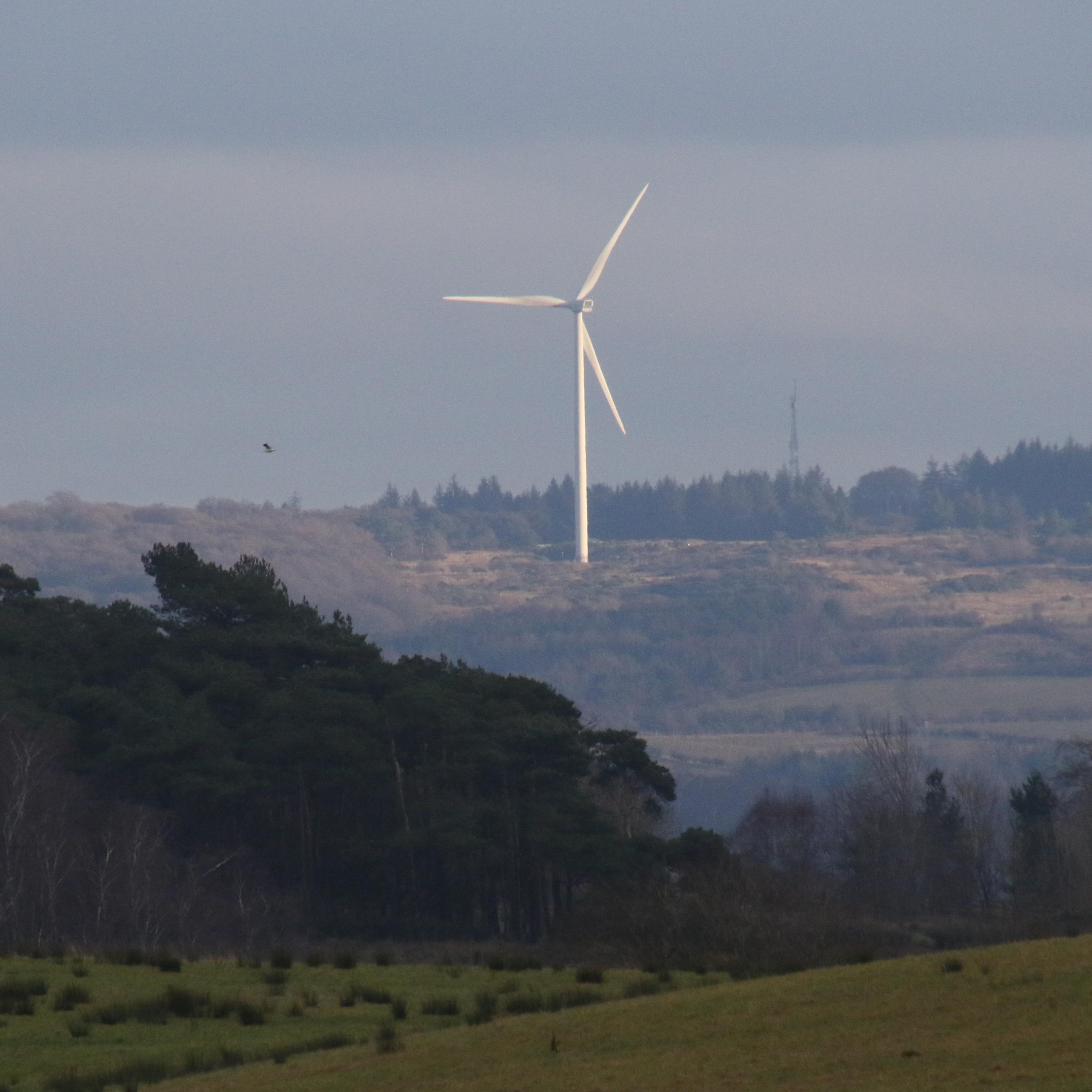
Sun lit Wind turbine on Cathkin Braes
31 December 2023
So what of 2024?
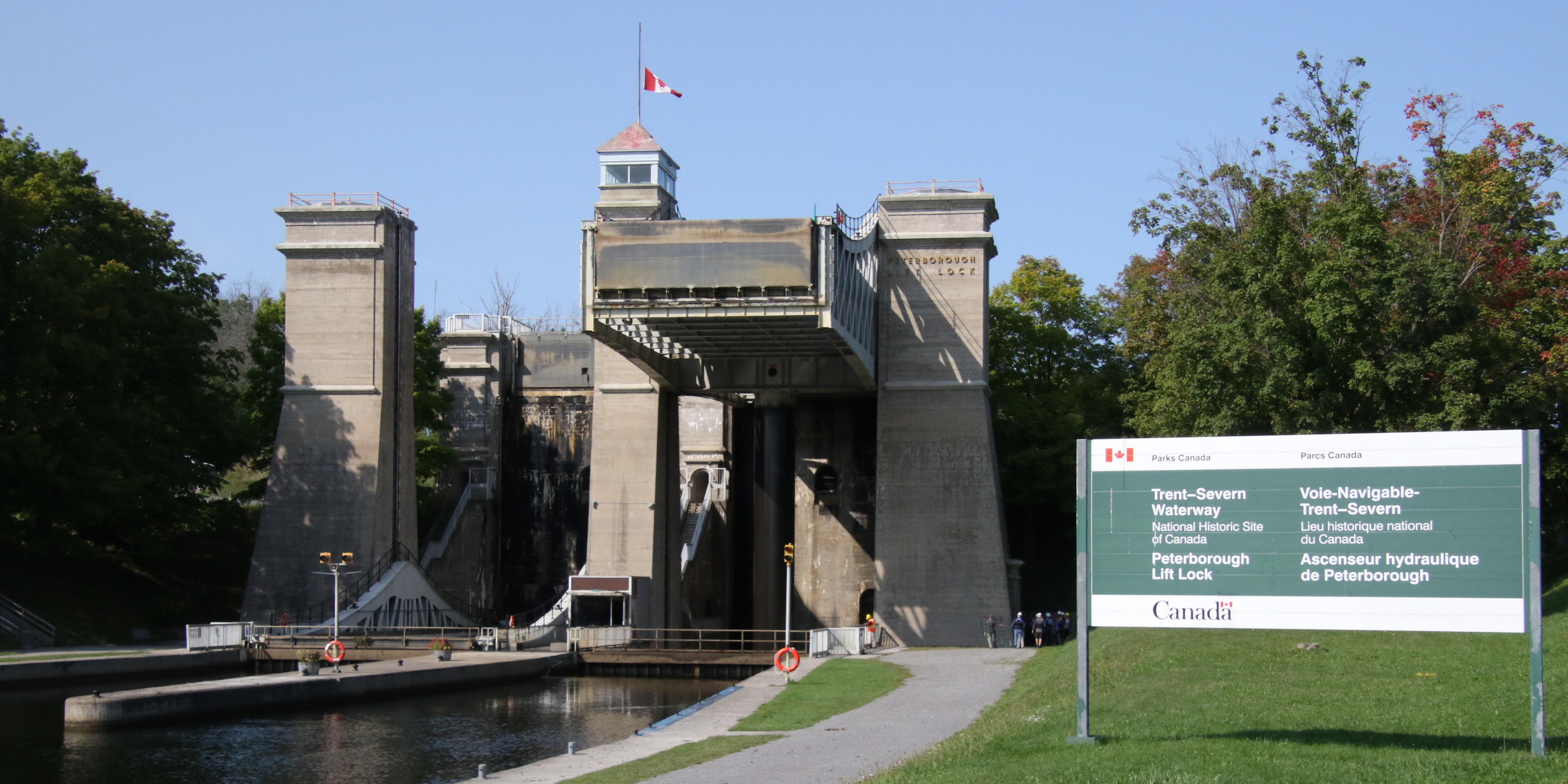
We are already planning another Ontario visit in the autumn. Over the next few weeks, we will put complete our plans. Visits to London, Porthmadog, Sheffield and the Isle of Arran will also feature.



















 Random thoughts from Pencefn